

Being the executor of a will may be stressful, especially when it comes to selling a house in Baltimore, MD. To make sure the sale goes smoothly, you need to know your rights, the laws in your area, and how the probate process works. This in-depth blog will tell executors everything they need to know about quickly and legally selling a home in Maryland. We aim to give you useful information that will help you feel good about every stage, from making sure you follow the law to having the house ready to sale. This will help things go as well as they can.
A Quick Look
You need to know a lot about complicated legal systems and probate processes if you want to sell real estate in Maryland. It is the role of executors to make sure that money is used wisely. This could include selling things to pay off debts or giving them away as the will says to. If the will doesn’t mention exactly how to sell the property, it’s important to grasp Maryland’s estate rules and that you might have to go to court. Executors can make sure that all transactions are clear and lawful and that the estate is worth more by meticulously preparing the properties and keeping up with local real estate trends. This is the best way to honor what the dead person wanted.
Important Points
- If the will states so, executors in Maryland can sell estate property without going to court.
- Maryland executors need to grasp how probate works so that they can deal with estate issues and property transactions in the right way.
- Cleaning up and getting the house ready for an estate sale makes it look better to people who want to buy it.
- If the will doesn’t say that the estate properties can be sold, you need the court’s approval to do so.
- Executors should use their knowledge of the Maryland real estate market to sell estate properties at the opportune times for the best prices.
What Executors Can Do in Maryland
The executor’s job is very important in Maryland while dealing with the estate of someone who has died. Most of the time, executors have a lot of various jobs. For example, they have to make sure that the will is followed when the assets are split up and that the estate goes through probate. A lot of individuals want to know if an executor can sell property without the court’s permission. The executor can only sell if the will says they can and they don’t have to pay off any obligations. This part goes into more detail about these problems, making it clear when an executor can intervene and what Maryland law says must be done.
Is it possible for an executor to sell property without getting authorization from the court?
The executor runs the estate’s business. This usually means selling the estate’s property, to pay off debts or giving the estate’s assets to the people named in the will. If the will says that the executor can sell property directly, they don’t have to ask the court for permission, which makes things easier. If the will says that the executor can sell assets, this indicates that the executor can do so whenever they need to, like to pay off debts or give them to heirs, without having to worry about any other legal problems. But if the court agrees, an executor can still sell property even if there are no precise instructions. If you’re searching for a reliable company that buys homes in Baltimore, give us a call at (443) 278-2743 for a no-obligation offer.
The probate process may involve a petition to make sure that the sale meets the goals of managing the estate and follows the law. Executors must exercise extreme caution and provide the court with a compelling justification to permit the sale to proceed. This could mean explaining how selling some of the estate’s assets will improve its finances, such as paying off debts or making sure everyone gets their fair share. Maryland law specifies that people who are in charge of a will must know both the will and the requirements for probate sales.
This makes sure that what happens is what the dead person wanted and what the law states. Executors should also remember that they are legally required to do what is best for the estate. During probate, the court carefully analyzes all of its choices to make sure that everything goes properly and that there are no issues. It’s important to keep good records and talk to everyone who is interested in the deal, even if it has to go to court.
This is how the Maryland probate process works.
People in Maryland who are in charge of estate property need to know how the probate process works. As the executor, it’s your job to make sure that the estate is settled according to Maryland probate laws and to handle complicated legal issues. This means obeying the court’s guidelines and learning what the law in Maryland says you have to do when you manage probate estates. Executors usually have to do two things: sell the estate and split up the property. They need to know a lot about how these things work. This part talks about the hard parts of Maryland probate that executors need to know in order to do their jobs.
What You Need to Know About Maryland’s Probate Process
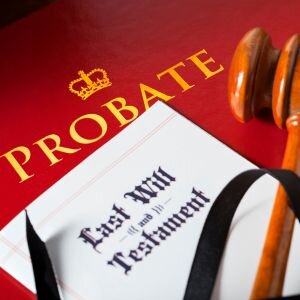
You should know how Maryland’s probate process works if you are in charge of estate property there. To take care of an estate, you have to go through the probate process. You can move the things of a person who has died, according to the law. According to Maryland law, every estate must go through probate to prove that the will is real. This is why executors need to know how the law works. This can mean having to deal with the complicated rules that apply to estates and property that is going through probate. This validation makes sure that everything that needs to be done with the estate is done correctly and in line with the wishes of the person who died.
To pay off debts and progress the estate through Maryland probate, you’ll need to get the right papers, fill out forms, and maybe even set up probate sales. Most of the time, you need to plan ahead and, in some cases, acquire a judge’s authorization before you may sell property that is in probate. Maryland law says that executors must act as fiduciaries. This means they have to follow the law, do what’s best for the estate, and respect the rights of the people who will get the money. The executor must follow the rules for whatever they do, such selling or giving away property. The executor has to do what the court says.
This inspection is highly necessary to make sure that all of the estate’s assets, including any property or estate that needs to go through probate, are paid out according to the will. Executors need to talk to beneficiaries and lawyers to make sure everything is clear and works effectively when they are in charge of estate assets. Executors should also be ready to notify the court what they plan to do with the estate’s property, including selling it. To do this, you usually have to show that these acts are in line with the goals of probate, which could be to pay off debts or move assets around. The executors are responsible for making sure that the estate’s assets are transferred correctly and that they are executing their legal duties by properly learning and following the probate process.
How to Sell Your House in Maryland
If you want your Maryland property to sell quickly and smoothly, you need to plan beforehand. People who run estate properties need to know how to do things like get the property ready to sell and follow the rules. This means following the rules, making the property seem better, and charging the right price. The process will go much more smoothly if you plan beforehand and pay attention to the details. This will assist you make a favorable bargain while still addressing the needs of the heirs and the court.
Preparing the House for Sale
Taking care of estate properties in Maryland includes getting a residence ready to be sold. The first thing you should do is walk around the estate property and check for any repairs or changes that need to be made to make it more marketable when you sell it. To get people who want to buy the house interested, you could have to remedy structural concerns, make the amenities better, or make the house look nicer from the street. A house that looks attractive is more likely to sell. It might show off its best features, to individuals who are interested in buying it, which gives it an advantage over other properties that are for sale.
The executors should clean up the property and get it ready to sale after they make it appear better. A clean, neat house is more appealing and likely to sell quickly since it helps potential buyers picture themselves living there. Professional staging services can be helpful since they employ neutral design that looks good to a lot of people and highlights the best parts of the house. If you want to sell your house quickly and for a reasonable price, these steps are very important. Executors also have to get all the documentation together and organize it as they get the property ready to sell.
This includes historical bills for utilities, paperwork about upkeep, and papers about the estate’s property. This makes sure you know everything there is to know about the house’s past and present. These kinds of papers will help you when you’re talking to folks who might buy your house or when you’re trying to get a good deal. They will help you understand things better and have faith in them. Getting the property ready can help executors do their jobs better, sell it faster, and look after the estate’s assets. Also, letting the beneficiaries know what will happen with the property could help the sale go smoothly and be good for the estate.
How to Deal with the Legal Issues That Come Up When You Sell Executor Property
If you want to do your job correctly, you need to know the laws in Maryland for selling executor property. The executor needs to know the laws that apply to estates, the rules of the court, and make sure that Maryland’s probate process is followed. This means taking care of the estate’s property in a way that follows the law and honors the wishes of the person who died. You need to know how Maryland’s legal system deals with estates, such as how estate laws work, how the probate procedure works, and what the executor can do.
How to Learn About Maryland’s Estate Laws
You need to know everything there is to know about Maryland’s estate laws if you are the executor in charge of taking care of and selling estate property. In order to do their jobs successfully, Maryland law stipulates that executors need to know a lot about estate rules. The will and the law dictate that executors must always do what is best for the estate. Maryland law says that executors need to be very careful when they go through probate.
If you want to know more about estate rules, you should know this. The court is usually in charge of making sure that things are done legally and in line with what the dead person wished. There are a lot of legal steps in the probate process in Maryland. These include filing the will with the court, taking care of the property that is being probated, and possibly selling the property to pay off debts or give assets to beneficiaries. It is vitally important to know what the law says an executor must do during this procedure.
When you talk to the courts and get permission, you need to be honest and upfront. This not only helps keep fiduciary duties, but it also makes beneficiaries more honest and open with each other. If executors need help, they should see a lawyer to be sure they are doing everything right with estates. This is especially true when the rules are hard to understand or when they are thinking about selling the estate’s land.
Things that typically go wrong when an executor sells a home
When executors are in charge of real estate contracts, they typically have to deal with a number of problems. They need to pay attention to make sure that everything is done on time and in the right way. People are apprehensive about going through probate, purchasing and selling property, and making sure that everything is done according to the law and the wishes of the person who died. If executors understand these complicated issues, they can make smart choices about how to sell estate properties, pay off debts, divide up assets, or follow the will’s instructions while retaining the estate’s integrity. Read the tips below to assist you deal with probate problems and make it easier to take care of your estate.
How to Deal with Issues with Probate

One of the most important jobs of an executor is to deal with probate difficulties, especially when it comes to real estate. If you want to get through estate processes quickly in Maryland, you need to learn the law and pay close attention to the nuances. If you wish to go over these problems as the executor, you need to know a lot about probate. One of the hardest things is understanding how the law works. As part of their job, executors must make sure that all legal requirements are satisfied. This includes turning in the necessary documentation and gaining court permission to sell property.
You need to know what probate sales are for this to work. Sometimes, you have to show the court a good reason for selling estate property, like how it could help pay off debts or offer money to people who will benefit from it. Planning ahead and getting everything in order are what being proactive means. The executor must ensure that all of the estate’s paperwork, including the will, the court’s approval of the will, and any other financial records that go with it, is in order. This makes it easier for the executor to go to court and make sure they can handle any legal problems or questions that come up right away.
Getting a lawyer can also help you with the intricate probate process and make sure you do everything right. Another important thing you may do to get past these challenges is talk to each other. Executors should talk to lawyers and beneficiaries as much as they can. Keeping everyone in the loop can help avoid problems and get everyone to work together to take care of the estate. If executors are honest and follow the regulations, they can handle probate matters well. This will make it easier to buy and sell homes. Not only is this legal, but it also follows what the dead wanted and gives the beneficiaries the maximum money from the inheritance. If you have questions on how to sell your house, check out our process on how we buy a house.
What Executors Should Do with the Things in the Estate
In Maryland, executors are very important for making sure that the deceased person’s estate assets are used in the way they meant them to be. As executors, they are in charge of managing property, which means they have to be able to perform a lot of difficult things, such selling houses and redistributing assets. This article gives executors in Baltimore some advice on how to manage estate assets, with a focus on property management. Find out how to handle probate property, follow the requirements, and use tactics to make administering the estate easier and increase its worth. This will be good for the estate and the people who will get it.
How to Keep Your Property Safe
In Maryland, executors need to be able to handle property in order to handle estate assets. First, the executors need to look at the property that belongs to the estate. They need to know how much they are worth and how good they are. This will let them decide if they want to keep or sell them. You normally have to undertake a thorough evaluation of the property to find important repairs or changes that could increase its market value. Executors should also contact to appraisers and contractors to find out how much the property is really worth and what has to be done to get the most money for it. Once the executors have gotten the property ready, they should start thinking about how to sell it.
Executors can’t do anything that isn’t good for the estate. This means that the marketing needs to be strong and aimed at the proper individuals so that they can find it quickly. You will get more attention if you use both online and offline real estate sites. It’s also important to get people’s attention by making listings that are interesting and have good pictures and descriptions that provide you all the information you need about the homes. Another important issue to think about is how to handle money. Executors must maintain accurate records of all financial transactions involving the estate. They really need to be honest with everyone so that they can do their job as fiduciaries and the beneficiaries or the court can look into something.
Executors may also need to talk to lawyers to make sure they follow all the rules of the estate’s complicated financial situation. This covers taxes on money made from selling property and taxes on money received as an inheritance. It’s also very important to be open and honest with the folks who get the gifts. Telling your heirs what you want to do with your estate develops trust and stops fights from coming out. When executors manage estate assets, they can deal with challenges that come up if they know how to manage property well. This will make sure that the property is worth the most while still respecting the law and being polite.
How Courts Get Involved in Selling Real Estate
In Maryland, executors might need the court’s help to sell estate property. The court usually has to follow the will and what is going on with the estate. Executors should know when they need to ask the court for permission to sell property. This is to make sure they do what the law says and what the person who died wanted. This means following the law and possibly even asking the court for authorization to sell estate property. If executors know what these rules are, they can avoid legal problems when they sell property.
When You Need the Court’s Approval
There are many things that can determine if you require the court’s authorization to sell property in an estate. The will and the challenges that come up during probate are the most important things. If the will explicitly says that the executor can handle and sell the estate’s property, the court usually doesn’t need to get involved in Maryland. But if the will doesn’t say clearly what this power is or is imprecise, the executor needs to get permission from the court before selling any property that is part of the probate process. This stage is very important to make sure that the sale is legal and meets the regulations for dividing up the estate.
If there are no clear instructions, the executor may need to file an executor petition with the court. In this petition, they need to say why they wish to sell the house. In this way, the executors have to do things that are good for the estate’s money, such as paying off debts or fairly dividing the assets among the beneficiaries. The court has to make sure that the executor does what is best for the estate and follows all of their legal requirements.
If you sell property without the correct permission, you could be in problems with the law if beneficiaries or other people who care about the property disagree. To avoid any legal problems, executors should keep good records and talk to lawyers. Executors can move forward with confidence after the court gives them permission. This keeps the estate safe and makes sure that all transactions go smoothly, which is what the dead wanted.
Executors need to know a lot about real estate.
When it comes to estate properties in Maryland, executors may have to do a lot of work to learn about the real estate market. To make smart decisions that will help you realize your estate management goals, you need to know about market trends, insights, and opportunities. Executors could do a lot better if they knew what was going on in the Maryland real estate market right now. This information helps them figure out how much the property is worth and how to sell it so that the heirs get the most money possible from the estate.
Trends and chances in Maryland

There are a lot of trends and chances in the Maryland real estate market right now, especially for executors who have to deal with estates that involve a number of different or contested assets. In Maryland, property values have been going up steadily over the past few years, especially in cities like Baltimore. Executors who wish to earn the most money from estate assets by selling them when prices are going up can benefit greatly from this trend. It’s important to pay attention to changes in a variety of different areas. Real estate investors are starting to like Baltimore more since it has a strong economy and job market.
To ensure the estate’s money is protected and that trades go through when they should, executors should keep an eye on these developments. Also, learning about things like property auctions or sales of distressed properties could aid you with your plan. In Maryland’s real estate market, these kinds of deals happen all the time. They help executors pay off debts or buy new properties for less money. Executors can better manage estates and fix estate problems more rapidly if they keep a close eye on these odds. If executors look at the most recent market data and evaluations, they may make better decisions based on facts. Executors should talk to people who know a lot about the local market to understand more about how it works and how to take advantage of these trends.
Executors can get more information about Maryland’s real estate market by consulting experts. This will help people find good deals and avoid bad ones. This proactive method not only helps you make smart choices, but it also makes it easier for the executor to do their job well, making sure that Maryland estate laws are followed and that the heirs get the most money from the estate. Executors should be able to handle the complicated Maryland real estate market without too much issue if they keep up with the latest trends and chances.
A List of Things Executors Need to Do to Sell Property in an Estate
There are a lot of complicated things to accomplish when you sell estate property, so you need to be organized. This book helps executors with all that comes with selling, like knowing what their legal duties are and how to take care of the property. Executors can perform a few important things to make sure that the transaction goes smoothly and is legal and meets the needs of the estate. The most important thing for successfully managing and selling probate property is to learn and do things as you go.
Important Things to Remember to Make the Sale Go Well
It can be challenging and take a long time to sell estate property as an executor, but having a plan might help things go more smoothly. First, you need to study the rules for taking care of property in an estate. If you want to sell a house in Maryland, it’s very important to know how probate property works. Look closely to the will to determine if it lets you sell. You might have to go to court to make sure that all the probate formalities are followed if the document isn’t clear. Getting the house ready can also help it sell faster and make it more appealing to buyers. As trusted cash home buyers in Annapolis, we know how to make this process easier for executors and estate sales.
First, look around to see if there are any repairs or improvements that could make the house worth more. People who might wish to buy the house will be able to see its potential better if it is well-kept and staged by a professional. Not only does this planning make it more likely that the sale will go successfully, but it also gets the most money for the estate and the people who will benefit from it. Getting appraisers and contractors to undertake the work can help make sure that property values are right and that any repairs that need to be made are made. During the whole sale process, communication is quite important.
Keeping in touch with lawyers and beneficiaries all the time helps things stay clear and stops problems from happening. People can trust each other more and get more done if they talk to each other often about deals and choices. If the executors also know how the real estate market works in Baltimore, Maryland, they might be able to make smart choices about when to sell and how much to charge. Executors can find out more about market trends and chances by talking to those who know a lot about them. This will help them do their job as a fiduciary and still make money by selling property.
Completing the Sale of Property in an Estate
To sell estate property the right manner, you need to plan ahead and know the law. This plan makes sure that the estate’s responsibilities are met and that the intentions of the deceased are respected. There are a lot of important things that executors need to perform, such as changing the ownership, following the court’s guidelines, and getting the best price for the property. It is important that every phase of the transaction goes properly. They all work together to do their fiduciary duty and make the maximum money for the estate. In this section, we’ll talk about real things that executors can do to give away property in a way that is legal and meets the needs of the beneficiaries.
How to Successfully Transfer Ownership
Transferring ownership of estate property in Maryland needs careful planning to make sure that all legal requirements are satisfied and fiduciary duties are upheld. First, check the will to see if it lets the executor sell the property. If this power is clear, it speeds things along by making sure the estate is ready to sell. Executors need to collect and organize all the legal papers they need, such as titles and court licenses, to make a complete file that will help with future transactions. It’s very important to talk to the beneficiaries during this time to make sure everyone is on the same page and to encourage open talks about what to do with the estate.
It’s very important to understand the details of probate property. You need a court order if there isn’t explicit consent. This means that hearings need to be well-organized and the reasons for selling estate property need to be apparent. In general, this means showing how the sale will help the estate’s finances, either by paying off debts or dividing the assets fairly among the beneficiaries. To get the court’s permission, you need to submit them a thorough plan that shows how you wish to spend the money and follows the will’s instructions. Once all the legal requirements have been met, the executors should quickly get the property ready.
This means getting the property ready and making it more attractive to possible purchasers, keeping an eye on market trends, and making sure that the deadlines for selling the property are in line with the best return on investment for the estate property. If you hire professionals like contractors, appraisers, and market analysts, you can set competitive rates and determine the best ways to screen possible purchasers. In the end, careful planning and execution make sure that the transfer of ownership goes smoothly, that the law is followed, and that the estate’s value is maximized while the executor in Maryland does their job right.
To sum up, executors in Baltimore, MD, can sell property as part of their duty as long as they follow the rules. This post has taught you how to deal with money, taxes, and legal issues in a wise way. Executors should always put clear communication and smart decision-making first, whether they are working with cash buyers or trying to get new homeowners to agree to a transaction. Hire Maryland estate lawyers if you want individual guidance and easy transfers. It will be easier to do what the dead wished if you start this process with all the facts you need.
FAQs
Is it possible for an executor in Maryland to sell property without getting approval from the court?
If the will clearly specifies they can, they don’t have to go to court to sell property from the estate in Maryland. If the will doesn’t say that the executor can sell any property, they have to get approval from the court first.
What does the executor do when someone in Maryland sells a house?
The executor is in control of the deceased person’s property. They make sure the person’s wishes are followed, go through the probate process, and may even sell the property. The people in charge of the estate are responsible for making sure the property is legal, getting it ready to sell, and getting the greatest money for the estate.
What steps do Maryland executors need to do to get a house ready to sell?
Executors should look over the property to determine if there is any work that needs to be done to it that will increase its value when it is sold. This includes correcting problems with the building, updating things that are already there, and making the outside look better. If you stage the house like a pro, it could also look great to anyone who would want to buy it.
What are the legal duties of executors when they sell property in Maryland?
In Maryland, executors must adhere to probate rules, ensuring that all their actions are legal and conform to the stipulations of the will. This means making sure that the will lets the property be sold, getting court approval when needed, and being honest and open with the persons who will get the money along the way.
How do the market circumstances in Maryland effect how homes are sold?
The market, such changes in property valuations and demand, has a big impact on when and how much to sell estate property for. By selling the assets at the correct times, executors can assist heirs get the maximum money for their inheritance. To do this, they need to learn about these trends and work with people who know a lot about the market.
Helpful Baltimore Blog Articles
- Selling An Inherited House In Baltimore, MD
- Does a Seller Pay Closing Costs in Baltimore, MD?
- Selling a House With a Mortgage in Baltimore, MD
- Selling a Home with Unpermitted Work in Baltimore, MD
- Sell a House with a Lien in Baltimore, MD
- Selling a House to a Family Member in Baltimore, MD
- How to Sell a House with Title Issues in Baltimore, MD
- How to Divide an Inherited House with Sibling in Baltimore, MD
- Selling Home with Reverse Mortgage in Baltimore, MD
- Sell a House As-Is Without Inspection in Baltimore, MD
- How Long Can Seller Stay in House After Closing in Baltimore, MD