

Most people don’t even know this option exists until they’re already desperate. Most of the calls I get are the same. Someone needs to access their equity, they can’t afford to move, and they are totally stuck. What they don’t realize is that there is a real path forward that allows them to do both.
Options Homeowners Should Know About First
So what do you do when your mortgage is eating you alive, but moving isn’t a realistic option right now?
In reality, more homeowners are in this position than most financial guides reveal. American homeowners have accumulated approximately $17.1 trillion in home equity as of late 2025, or an average of $299,000 per home. They were rich on paper but poor in reality. You can’t spend equity on groceries or medical bills without doing something with the house itself. Equity is real, but…
People in this spot often think their only options are a traditional sale (move out, find somewhere else fast) or a home equity loan or HELOC (take on more debt, hope you qualify). What is often missed in those conversations: a sale-leaseback, a cash-out scenario with options built in, and sometimes, other creative structures that investors use on a daily basis, and I’ve seen sellers genuinely surprised when we walk through them.
I have bought houses from people who had no clue these options existed. One of the biggest mistakes I see is that sellers make a panicked decision because they didn’t know they had time to think. Last winter, I received a call from the Caldwells, a Hagerstown, Md., family that was three months behind on its mortgage and already scheduled for a foreclosure auction. We closed before that auction date, structured a short-term lease so they could stay through the end of the school year, and they walked away with cash instead of a ruined credit report. That’s why I spent the first call just explaining what’s actually on the table, because the outcome only happened because they learned they had options.
That’s the point: know what’s out there before making any decisions.
What Is a Sale-Leaseback and How Does It Work?
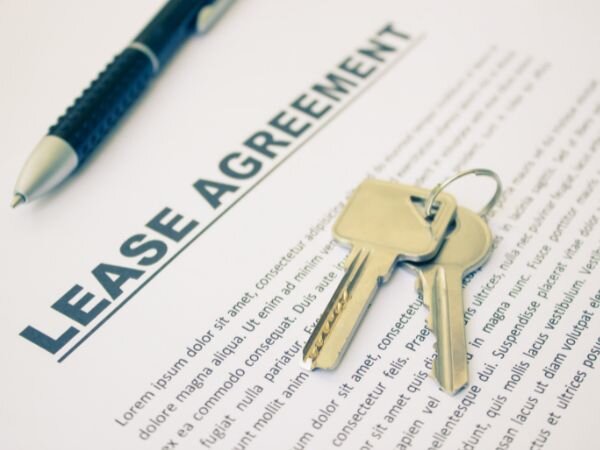
The broader U.S. sale-leaseback market totaled $14.4 billion on 714 transactions in 2025, an 18% increase in dollar volume over the previous year. This is no longer a niche product. It started in commercial real estate many years ago, and now it’s been used by average homeowners in situations just like yours.
You agree on a purchase price with a buyer or investor for your home. You receive the sale proceeds in cash at closing. At the same time, you and the buyer sign a lease agreement that allows you to stay in the property as a tenant. At closing, you pay off your mortgage and kick back and become a renter without moving a box.
A leaseback agreement sets out the lease term, and most residential leasebacks are between a few days and 60 days on the short end. If you’re working with an investor directly, or a company that specializes in these transactions, rather than traditional buyer financing through a bank (and that financing timeline matters a lot), you can get longer arrangements, sometimes up to a year or more, with renewal options.
The rent you pay after that is usually based on the buyer’s carrying costs, which are typically their principal, interest, taxes, and insurance on the property. Sometimes it’s tied to local market rents. Both are negotiable, and it is negotiation that counts. The terms you get will be different depending on who you’re working with, because an investor who intends to hold the property long term has different motives than someone who wants to flip it.
Buyers and their lenders watch for one thing: If the leaseback is too long, many lenders will change the loan from a primary residence mortgage to an investment property loan, which has higher rates and stricter requirements. Reclassification can impact the bottom line of the buyer and what they are willing to pay you. So be aware of that in advance.
Can You Sell Your Home and Still Live in It?
A seller got in touch with me a few years ago. Her house was paid for, and she needed money for a medical situation. She had already begun the process of applying for a HELOC when the bank told her the income documentation requirements were more than she could come up with. Two weeks after she called me, she had the cash for her equity plus a signed lease that allowed her to stay put, so she never had to pack a single box.
Yes, you can certainly sell your house and still live in it. This type of arrangement is known as a sale-leaseback or rent-back agreement, and it lets the original owner remain in the home as a renter for a specified period of time after the closing (sometimes it is just for weeks, sometimes for years).
The mechanics are simple. The sale closes and title transfers to the new owner, and you become a tenant under a lease agreement at the same time. That lease contract is what determines your rights as a tenant. What you negotiate before you sign it is what protects you down the road. “Homeowners should read contracts carefully,” the FTC said in consumer guidance, noting that residential sale-leaseback agreements are less regulated than traditional mortgage products. Have a lawyer review the lease. That’s not being overly cautious, that’s just being smart.
Some residential sale-leasebacks even come with a buy-back option, allowing the former owner to repurchase the property after a set lease period. This is especially attractive for homeowners who are having a temporary financial difficulty, but want to maintain a tie to their home. Not an easy sell for every investor, but worth asking about when you’re negotiating the original deal.
Does it work for every house? Every situation? No. Very low equity, serious deferred maintenance, or title complications can make the transaction more difficult. But if you’re a homeowner with meaningful equity and a need for liquidity without the disruption of a move, this structure was built for that problem (which is a common one).
Why Homeowners Choose to Sell and Stay
Typically, before we even get into numbers, I ask people one question across the kitchen table, ‘If you could just get your cash out and not have to move, would that solve the problem?’ And most of the time, the answer is yes, so we haven’t even looked at a sale-leaseback.
You might be surprised to learn there are more reasons to do a sale-leaseback for homeowners. Retirement income is a big one. As of Q3 2025, retirees age 62 and older held $14.66 trillion in combined home equity, and the median homeowner over age 65 had about $250,000 in equity, up 47% since pre-pandemic. For many older homeowners, that equity makes up the lion’s share of their net worth. A sale-leaseback lets them cash it in without having to move away from the neighborhood where their doctors, family, and routines are.
If you’re a seller that’s in financial trouble, you use it to stop the bleeding.” Selling a home and locking in a predictable rent can actually reduce the monthly obligation if the mortgage payment is too high to afford. This is especially true if the home has appreciated and some of the equity can be set aside to cover rent for a period, which can be years and not just months.
Another group I see regularly is parents with children in school. Pulling kids out of school mid-year and away from friends is a real disruption (I’ve had sellers cry over this decision), and a leaseback that covers the rest of the academic year is often worth the tradeoff even if the rent is not cheap.
A sale-leaseback allows someone concerned their home’s value could fall to lock in the price they want now, while living in the home for a fixed period of time. That’s not pessimistic, that is reverse market timing.
If any of these are familiar, it can be well worth your while to discuss a sale-leaseback with a trusted buyer. CR of Maryland I LLC works with Maryland homeowners in these situations and can walk you through what makes sense for your particular property and goals, so you’re not left guessing about the numbers by yourself.
What Are the Real Benefits of a Sale-leaseback?
Some sellers push back when I explain this arrangement. “If I’m renting my own house back, what did I actually gain?” That skepticism is fair. Here is the real answer.
A sale-leaseback doesn’t add debt to your balance sheet, unlike a home equity loan, HELOC, or reverse mortgage. You’re not mortgaging the house, you’re selling it. The money you get at closing is yours to keep and use as you wish, with no repayment schedule to worry about. No monthly loan payment on top of all the other stuff. No lender to answer to if your income changes.
The real benefit here is speed. Traditional home equity lines of credit involve an appraisal, income verification, a credit check, and weeks of processing time. In many cases, a sale-leaseback with a direct investor can close in two to three weeks, which matters enormously if you’re facing a deadline.
As a tenant in a leaseback arrangement, you generally transfer the responsibilities of ownership, such as upkeep, property taxes, and homeowners’ insurance, to the new owner. It makes your monthly budget easier. Some homeowners are genuinely surprised at how much they were spending on ownership costs they never tracked closely.
On day one, the disruption factor is also zero. You keep your furniture, your kids stay at their school, and your commute doesn’t change.
These arrangements have been designed by CR of Maryland I LLC to give sellers real breathing room, not just a quick close. If you’re in Maryland and want to see what your home equity could get you without forcing you out of the house, they’re a good first call.
What Are the Risks and Drawbacks You Should Know?
What most articles don’t say at all: The rent in a sale-leaseback is NOT discounted. Owning the home in the past doesn’t mean you’ll get a below-market rate. In many cases, you will be paying more in rent each month than you did on your mortgage payment, especially if you bought years ago at a lower rate and rents have risen since. Seriously. crunch those numbers before you sign.
When you sell, you don’t build equity through your monthly payments. If the property appreciates during your rent-back, the new owner receives that appreciation. You’ve swapped your upside for liquidity, and that’s the right trade for some people. For others, it’s a loss they didn’t quite expect (especially in a rising market).
When the buyer takes the title and your own coverage changes to a renter’s policy, homeowner’s insurance policies may need to be modified. Check what’s included before the lease begins. Coverage gaps during the transition period are more common than they should be.
Sale-leasebacks are not regulated in the same way as mortgages, which can lead to less standardization and fewer protections for homeowners. That doesn’t mean you can’t go with the arrangement, but you should choose your buyer wisely and have a real estate attorney review the lease agreement before closing.
The other risk nobody talks about is at the end of the lease. If the investor decides not to renew and you haven’t developed a plan for where to go, you’re right back to the same problem you started with, only with a shorter runway. From the beginning, include an exit in the agreement.
How to Prepare Your Home Before You List It

Knowing the risks means a more intentional pre-sale process, because what you do before the sale dictates your leverage in lease negotiations.
The first is price. See what similar homes in your neighborhood have sold for recently, so you can evaluate any offer with real context, not just gut feel. Your buyers working a leaseback with you will already know the comps. You should know too.
Sort your title before you start. Unresolved probate issues, judgment creditors, or lingering liens can kill a sale at the last minute. Get a preliminary title report early and fix what you can (probate surprises are the slowest to clear).
If you are dealing with a direct investor and not listing on the open market, repairs are typically not necessary. Most investors who purchase for a leaseback are happy to take the property as-is. Don’t spend money on cosmetic improvements unless a real estate agent specifically tells you it moves the needle on price for your specific market.
Make a list of everything you are leaving in the property. Anything listed in the contract as a conveyance must remain in the house after closing, so if you want to take appliances, fixtures, or anything else with you, negotiate that before the contract is signed.
Finally, before you begin conversations, collect your financial documents: mortgage payoff statement, homeowners’ insurance information, any HOA agreements, and your most recent property tax bill. Having these ready speeds up the process and puts you in charge of the schedule.
What Other Options Do You Have Besides a Sale-leaseback?
A sale-leaseback is not the only creative path, and the assumption falls apart fast when you look at what’s available.
A home equity line of credit (HELOC) lets you borrow against your equity without selling. They are tied to the prime rate, and they do adjust, so your payment could go up. The credit and income requirements are real barriers. But if you qualify, and your need for equity is modest, a HELOC maintains your ownership and your upside.
A cash-out refinance involves replacing your existing mortgage with a larger loan and taking the difference in cash. Refinancing today comes with a price tag that homeowners who locked in lower rates years ago won’t love, as mortgage rates average 6.6% in 2025. But if you have an existing loan with a high rate, it might be worth the math.
Reverse mortgages are a way for homeowners 62 and older to access equity without the burden of monthly payments. The loan amount increases over time and cuts into what heirs would inherit, but it allows the homeowner to stay put with no monthly payment. Good to know, even if it’s not the right fit.
Megan Tran called me on a Thursday from Annapolis. Her mother had just moved into assisted living, and there was furniture and a converted sunroom her mother had used as an art studio, and no clear plan. Megan didn’t need to sell now; she needed to know her options before she made an irreversible decision. We discussed a direct sale, a sale-leaseback that would let her have her leisure with the contents of the home, and what a regular listing would ask. She went for a sale and leaseback for over 45 days to get the property sorted out. No panic. No wastage.
“Many homeowners, especially those with no time crunch, can still do a traditional sale with a real estate agent,” she says. Homes spent a median of 61 days on the market across all 50 states in 2024. That’s two months of uncertainty, of costs and showing prep that not everyone can absorb (utilities and insurance keep running the whole time). But if you have the time and the property is in good shape, the open market can command a higher price than any off-market sale.
CR of Maryland I LLC can establish a leaseback, simple sale, or combination to meet your timeline and provide direct purchases throughout Maryland. There’s no use in discussing what would actually work for your situation.
Frequently Asked Questions
What Is It Called When You Sell Your Home but Can Still Live in It?
This is called a sale-leaseback, also sometimes called a rent-back or a sell-and-stay agreement. At closing, you transfer ownership to a buyer, but you also sign a lease that allows you to remain in the home as a tenant. The terms (amount of rent, length of lease, and any renewal options) are all negotiated before closing.
How Hard Is It to Sell a House While Living in It?
Selling while still living in the property isn’t particularly hard, but it does add some logistical friction. Showings require the home to be always show-ready, and scheduling can be difficult to fit into your daily life. You can skip that friction by working with a direct buyer or investor, instead of listing your house on the open market. No showings, no need to stage your home, no parade of strangers marching through your house.
How Long Can I Live in a House Before Selling It?
There is no rule that you have to sell within a certain time frame. Homeowners’ most important tax break is the IRS’s primary residence exclusion, which enables most homeowners to exclude up to $250,000 ($500,000 for married couples filing jointly) in capital gains if they’ve lived in the home as their primary residence for at least two of the past five years. You can keep it as long as you want, and there are no tax implications until the property is sold.
Can I Afford a 300k House on a $70k Salary?
As a general rule, keep your total housing costs at or below 28% of your gross monthly income. On a $70,000 salary, that’s about $1,633 a month for housing. A $300,000 home could push your monthly payment above that threshold at current interest rates and with a typical down payment, but the exact amount depends on your down payment, property taxes, and insurance. You will get a much clearer picture by running the numbers with a mortgage lender directly than you ever will by any rule of thumb.
If you are a Maryland homeowner who is thinking about your options and would like an honest conversation about what a sale, a leaseback, or somewhere in between would look like for your property, contact CR of Maryland I LLC. No pressure, no obligation, just an honest answer to a real question
Helpful Maryland Blog Articles
- Who Pays the HOA Fees at Closing in Maryland
- Selling a House With Septic Tank Problems in Maryland
- Appraisal Required Repairs in Maryland
- Can you stop a Foreclosure once it starts?
- Can I sell my House and still live in it?
- Selling a House With a Pending Lawsuit in Maryland
- Can I Sell My House if I Have Equity Release in Maryland?
- Can an HOA Foreclose on a House in Maryland
- Selling Investment Property in Maryland
- Can a Seller Refuse Repairs after Inspection
- Should I Remodel my Kitchen before Selling