

A landlord in Dundalk once called me the day after he’d changed the locks on a tenant who owed four months of rent. He figured the lease gave him that power. It didn’t, and the countersuit cost him more than the back rent ever would have.
Evictions in Maryland run through the courts from start to finish. You won’t find a shortcut or a self-help remedy, and no contract clause lets you skip the judge. Both sides tend to learn that the hard way.
How Does the Eviction Process Work in Maryland?
Miss one deadline in the Maryland eviction process and you may have to refile and pay the fee again. After the 10-day notice runs out, the landlord files a complaint in District Court. The District Court then issues a summons with a trial date. At trial, the tenant gets to tell their side. Bring evidence to that hearing: ledgers, texts, the certificate of mailing, photos of the posted notice.
Then comes the part that trips people up. If the landlord wins, the court orders the occupants out within 4 days after trial. Next, the landlord asks for a warrant of restitution, which lets a sheriff carry out the eviction. That warrant won’t issue right away. The court issues the warrant once 7 days have passed, and a landlord who waits more than 60 days to order it has the possession ruling struck. A judge has to sign the warrant before it goes to the sheriff or constable, and the sheriff’s office sets the eviction date.
Once the warrant is in hand and the sheriff picks a date, a separate notice rule kicks in. Since October 2025, state law has required the landlord to give at least 6 days’ notice of the eviction. It goes by first-class mail with a certificate of mailing, and it’s posted on the front door with a date-stamped photo. If the landlord has an email address or cell number on file, a copy goes there too. County and city rules can stretch that window. In Baltimore City, the court’s own warrant of restitution form calls for mailed notice at least 14 days before the first scheduled eviction date.
Only a sheriff or constable can perform the lockout itself. If the sheriff believes notice wasn’t properly given or the household may have already redeemed, the sheriff has to tell the court and stop. If notice was never given, the court will vacate the warrant. Pets get their own rule. At the eviction, the sheriff has to check the property for animals and hand any pets over to their owner, or call a shelter if nobody’s home.
If selling makes more sense, you can contact us for a cash offer and decide whether it works for you.
What Rights Do Maryland Tenants Have?

Plenty of renters think falling behind means a lockout comes next week. The real process is slower and more procedural. Before a landlord can even walk up to the clerk’s window, state law demands a written warning. For a failure to pay rent claim, the landlord must first send a 10-day notice of intent to file on an official court form, the DC-CV-115.
Skipping that step isn’t a technicality. It can get the whole complaint tossed.
Tenants also hold a repair card that surprises small landlords. Say a landlord won’t fix serious or dangerous defects. The tenant can pay into an escrow account at the local District Court, and only the court can set that account up. First, though, they have to give the landlord proper notice and a reasonable amount of time to make repairs. The Maryland Attorney General’s office explains when rent escrow applies, and I’d read it before anyone starts withholding checks.
A judge hearing an escrow case has several tools. The court can order repairs or cut the rent to a fair amount given the conditions. It can also dismiss the action, or end the lease subject to the tenant’s right of redemption.
Self-help eviction is the fastest way for an owner to lose. Changing the locks, pulling off doors, shutting off utilities, or hauling out a tenant’s belongings without a court order all expose a landlord to civil liability. The tenant can recover actual damages plus reasonable attorney’s fees. That’s true even when the occupant owes heavy back rent. For owners who would rather sell than keep dealing with these problems, Maryland cash buyers may offer another option.
One more piece landlords keep missing is the Renters’ Rights and Stabilization Act, which took effect October 1, 2024. Since July 1, 2025, it has required landlords to attach the current Maryland Tenants’ Bill of Rights to every residential lease. I’ve watched sales stall over this exact paperwork. Update your templates before a dispute forces the issue. Owners thinking about a sale should also read up on whether you can evict a tenant if you sell your house in Maryland before they list.
Which Maryland Court Handles Landlord-Tenant Disputes, and How Do You Contact It?
In Maryland, landlord-tenant disputes go to the District Court. Circuit court only comes in on appeal, and there’s no separate housing tribunal. The process is called summary ejectment, and cases are filed and heard in the District Court of the county where the property sits. These laws apply statewide, although some counties and cities layer their own rules on top. The Maryland People’s Law Library gives the plainest explanation of the process I’ve found, and I send both landlords and tenants there.
Every county has its own District Court location. Anne Arundel County landlords, for example, can file at the District Court in Glen Burnie on Governor Ritchie Highway. Baltimore City, Montgomery, Prince George’s, and Frederick each run their own rent docket, and each one moves at its own pace.
Filing costs follow one statewide schedule, with a bump for Baltimore City. The District Court’s current cost schedule lists $50 for a failure to pay rent complaint outside Baltimore City, plus $5 per tenant for service. Breach of lease and tenant holding over cases cost $56, or $66 in the city. Howard County’s sheriff keeps a landlord-tenant page that spells out each stage, but check its fees against the court’s schedule. Tenants who show up without a lawyer aren’t stuck, either. The Maryland Court Help Center offers free help from staff attorneys at 410-260-1392 or mdcourts.gov/helpcenter, though it won’t represent you in court.
A family in Catonsville called me last year after a job transfer gave them five weeks to get out of town, and they also owned a rental down the block. On the Tuesday we walked through, the garage still had a boat trailer in it. We closed before their move date. They handled the tenant side through the District Court and never needed a hearing. Landlords with several properties who are tired of the docket sometimes decide the whole portfolio has run its course.
Can You Stop or Delay an Eviction in Maryland?
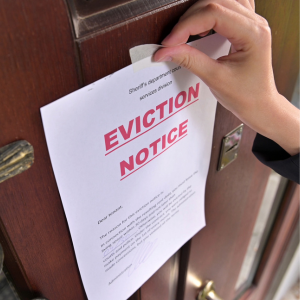
Is it too late once a judgment’s been entered against you?
Usually not. This is the most useful thing a Maryland tenant can know. A tenant may “pay to stay” any time before the sheriff actually carries out the eviction. Paying everything the court found due, plus court costs and fees, stops it cold. Payment has to be cash, a certified check, a money order, or a government check. There’s one big exception. A tenant with three judgments of possession for unpaid rent in the 12 months before the case loses that right.
The right of redemption is why so many warrants get filed and never executed. Money shows up. Cases die on the courthouse steps.
Appeals move fast in Maryland. After a failure to pay rent trial, either side has just 4 days from the judgment to appeal to the circuit court. Breach of lease and tenant holding over cases allow 10 days. Filing an appeal won’t stop the eviction on its own. A tenant who wants to stay in the unit while the appeal runs has to post a bond, and lease violation appeals also require paying the rent owed.
Defenses win more often than landlords expect. Rent that was already paid is a common one, and so is a wrong amount on the complaint. Repairs the landlord never made and notice that wasn’t properly given come up too. Licensing is the quiet killer. Where a county or city requires a rental license, the landlord has to prove the property is licensed before summary ejectment is even on the table.
My take after years of buying houses across this state is blunt. Landlords who chase an eviction through appeal against a tenant with no money are spending good money badly. Investor house buyers in Germantown and the surrounding cities in Maryland may offer another option when the rental has become more trouble than it’s worth. A judgment might look collectible on paper. Actually getting paid is another project entirely, and the rental property sits vacant while you try.
Where Can Maryland Renters Get Financial Help?
“Those programs all dried up after the pandemic.” I hear that constantly, and it’s wrong. Maryland’s housing department still points renters to eviction prevention money run through counties and local partners. Baltimore City’s program advertises as much as 15 months of back rent plus future rent for households that qualify. Dialing 211 connects you to whatever your county offers. Processing times vary by county, so apply the same week the notice arrives instead of waiting for the hearing.
Free legal help is real here too. Access to Counsel in Evictions, a program run by the Maryland Legal Services Corporation, provides free lawyers to renters with household income at or below 50% of the state median. The state’s renter and landlord resources page lists the intake points. Maryland Legal Aid represents tenants in rent court, and the Attorney General’s Consumer Protection Division takes calls at 410-528-8662.
Owners have a stake in this too. A tenant who gets funded pays you, and you keep the rental property instead of turning it over. The Office of Tenant and Landlord Affairs, created by the 2024 law, helps both sides understand their rights and responsibilities. Owners feeling the squeeze have their own math to do.
In August 2026, Redfin put Maryland’s median sale price at $443,155, up 1.9% from a year earlier, with homes selling in a median of 43 days. The equity in a problem rental is often worth more cashed out than defended. If you’re thinking about selling, CR of Maryland I LLC can offer a no-obligation offer and compare it with what another year of chasing rent would cost you.
What Additional Resources and Classes Are Available on Maryland Tenant Law?
Maryland now treats its eviction filings as a formal data project, which most guides never mention. In June 2026, the Office of Tenant and Landlord Affairs was picked for a national cohort focused on eviction data. That office already analyzes District Court eviction data and publishes an annual report. If you want to know what’s really happening on your county’s docket, that’s the source.
For tenants who’d otherwise walk into rent court cold, the Maryland Judiciary puts out short brochures and videos. Its rent court video on notice and trial explains what to bring and what the judge will ask. Court Help Centers also staff walk-in locations in several District Court buildings. It’s worth asking your local legal aid office whether it holds tenant rights sessions.
Landlords, do your own homework before you file. Reading the statute once beats guessing three times.
Local market context helps too when you’re deciding whether to keep fighting or exit. Redfin’s August 2026 numbers put Baltimore’s median sale price at $244,838, up 2.0% year over year, with homes selling in about 44 days. A rental that’s been cycling through tenants and repairs for a decade might be worth more to you as cash than as a monthly check. If you’re leaning toward the exit, here’s how to sell your investment property in Maryland without giving up more than you should.
An heir in Columbia reached out after inheriting a rental from a parent who’d owned it since the eighties and never thrown anything away. Three siblings, thirty years of boxes stacked to the ceiling in the back bedroom, and an old console television in the garage nobody wanted to move. They wanted one clean exit and no cleanout. As cash home buyers in Columbia and other Maryland cities, we bought it as it stood, and they kept what mattered.
Frequently Asked Questions
Can a Landlord in Maryland Lock You Out Without Going to Court?
No, and doing it exposes the landlord to real financial liability rather than a scolding. Removing doors, cutting utilities, or setting belongings on the curb without a warrant and a sheriff present is illegal statewide. If it happens to you, call the police and a legal aid office the same day. In Baltimore City, you can also file a complaint with the Court Commissioner.
How Much Notice Does a Maryland Landlord Have to Give Before a Tenant Must Move Out?
It depends on why you’re being asked to leave. Nonpayment runs on the 10-day notice of intent to file. Lease violations generally take 30 days’ written notice, or 14 days when the tenant’s behavior poses a clear and imminent danger. Ending a month-to-month tenancy without cause takes 60 days’ written notice. Local rules can add more, so check your county’s rules.
Does an Eviction Filing Hurt My Ability to Sell the Property?
A pending case narrows your buyer pool. Most financed buyers want vacant possession at closing, and their lender wants a clean title with no fight over who lives there. Cash buyers who work with tenant-occupied property don’t have that constraint. If the rent court process has stalled and you’d rather be done with the whole thing, selling with the tenancy in place is a legitimate option. If your rental is in Charles County, you can read how we buy houses in Waldorf, Maryland and ask for a no-obligation offer.
Ready to Talk About Your Maryland Rental?
If you own a rental in Maryland that’s become more trouble than it’s worth, whether it’s a tenant who won’t pay, repairs piling up, or siblings who can’t agree on an inherited house, we’re glad to talk. Reach out to us at (443) 278-2743. Sometimes the right answer is finishing the case and re-renting, and I’ll tell you if it’s true. If selling makes more sense, CR of Maryland I LLC can make you an offer and let you decide on your timeline. No pressure, no obligation, just a conversation about your options.
Helpful Maryland Blog Articles