
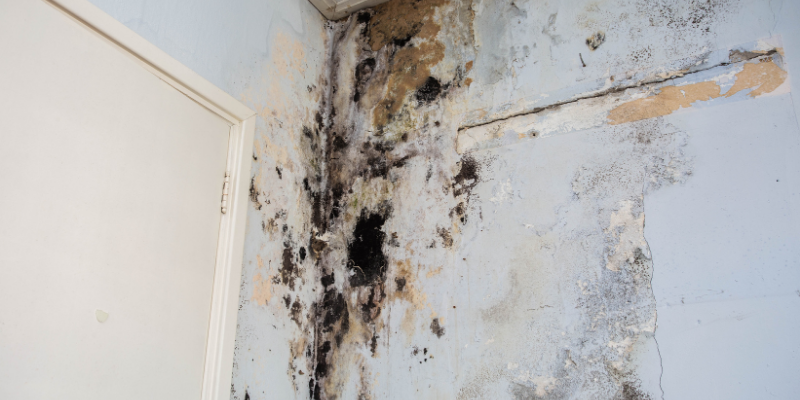
Handling mold while selling a house in Baltimore, MD, comes with its own headaches. It doesn’t have to derail the sale, though. Once you understand how mold affects a home’s marketability, you can turn a messy problem into something you actually control. This guide outlines practical steps for a seller to move a Maryland home, even with mold, so you can protect the property’s appeal and value. The advice runs from remediation to how you talk with buyers. All of it helps a seller work through mold issues while keeping the transaction honest and building trust.
Key Highlights
- Mold has a real impact on property value, and clear buyer communication maintains trust and transparency.
- Maryland law requires sellers to disclose known mold, which helps head off legal trouble down the road.
- Solid mold remediation moves through containment, removal, and prevention to protect property value and buyer trust.
- Offering credits for mold services can win over buyers and speed up a sale even when mold’s a factor.
- Seasoned real estate agents know how to work through mold challenges while keeping you compliant and your listing appealing.
Understanding Maryland Mold Issues
Understanding mold issues in Maryland matters a lot if you’re a seller hoping to move a property that has them. Mold can drag down property value, and a seller needs to know their legal responsibilities around Maryland’s mold disclosure laws. This section covers two things: how mold issues affect property value, and why meeting the legal requirements for mold disclosure matters when you sell a house. Knowing both helps sellers make smart calls that protect their own interests and the buyer’s, and it keeps the whole transaction transparent and calm.
The Impact of Mold on Property Value

Mold in a home can dramatically decrease property value, especially in Maryland, where buyers already know the health risks and repair costs that come with it. Mold gets into walls, ceilings, and floors. Those structural problems scare buyers off.
The first thing a buyer worries about is potential health risks. Mold can trigger allergies and respiratory problems, and, in severe cases, it can be linked to neurological issues. A family focused on a healthy property will think twice about a home that carries that kind of risk.
Visible mold also flags bigger repairs, and bigger repairs mean surprise costs. Mold remediation often requires a professional to remove the mold safely and prevent it from coming back. That expense alone can push a buyer toward the door.
Then there’s the way mold looks and smells. Mold leaves musty odors and ugly discoloration, so properties with mold tend to sit on the market longer than clean ones. Homes with mold usually sell at a discount, sometimes 20-30% below market value. That’s a real hit to a seller’s return.
For Maryland sellers, the smart move is to conduct regular inspections and take fast action on any mold you find. Fix the mold or disclose it up front, and you’ll cut your losses while keeping the sale on track. Honest communication about the mold and the remediation steps you’ve taken can build trust with buyers and soften the drop in market value.
Competitive markets like Baltimore, as well as nearby areas like Columbia and Towson, tend to punish moldy homes with longer listing times. So many sellers go straight to professional homebuyers like CR of Maryland I LLC, who can buy houses for cash in Towson and Columbia. That’s a low-stress route, and it beats waiting around for the “perfect buyer.”
Legal Responsibilities for Disclosing Mold in Maryland
Maryland’s mold disclosure rules place significant weight on a residential seller. State law says you have to reveal any adverse facts about the house, and that includes mold. So the duty is ongoing. If you know about a mold condition, you’re on the hook to disclose it to prospective purchasers.
Skip that step, and the fallout can get legal fast. A seller could face a lawsuit for constructive fraud or for violating the residential property disclosure statutes. The Maryland Real Property Code spells out the disclosure format you have to use, so knowing that text isn’t optional if you want to stay compliant.
A clear grasp of the mold disclosure obligation helps sellers dodge litigation and keeps negotiations honest. Keep a dated record of inspection reports, remediation work, and any recurring moisture problems, then hand the purchaser a full history of the property. That kind of paper trail heads off future disputes in the transaction. It also strengthens your position at the table because it shows the property’s story straight.
To cover both the contract and the statute, a seller should get an independent residential property inspection before listing. It’ll detect and measure the mold and catch other hidden defects that actually matter. Doing that early shrinks your exposure to later claims. It also keeps valuation discussions fair by putting both sides on an even footing.
Say the inspection confirms fungal growth. Now the seller picks a path. You can remediate to an acceptable risk level or convey the property in its current condition under a qualified acceptance policy. Either way, you tell the purchaser what’s going on and give them an expanded written disclosure. The Maryland Real Property Article requires disclosure of material defects, and Maryland common law treats mold as a material defect. So the purchaser is presumed to care, which means full disclosure is what protects you from misrepresentation claims and keeps the property marketable.
Maryland courts and agencies lean toward protecting an informed buyer. They assign the risk of nondisclosure, or they let the seller plead state of mind. That’s exactly why how a seller frames the inspections, remediations, and disclosures carries so much weight if a claim ever lands. Get systematically briefed on the statutory and regulatory rules, and you’ll take a lot of that hidden transaction risk off the table.
Preparing to Sell Your Home with Mold
Addressing mold concerns is a big deal before you sell a home in Maryland. Buyers get nervous about mold because of the health risks and the repair bills, so handle the mold thoroughly before the property ever hits the market. Good prep means a detailed mold inspection and real steps toward remediation. Tackle the mold directly, and you’ll hold onto property value while staying transparent, which is how a seller earns a buyer’s trust. This groundwork checks the legal boxes, streamlines the sales process throughout the transaction, and ultimately makes your Maryland home more appealing on the market.
Conducting a Comprehensive Mold Inspection
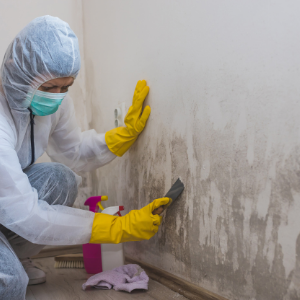
A thorough mold inspection is a must when a seller is prepping a Maryland home for the real estate market. Mold doesn’t always show itself, so bring in a licensed mold inspector. These pros use calibrated moisture meters to detect hidden water intrusion and run air sampling to measure mold spore levels.
The mold inspection hits the high-moisture spots. That means finished and unfinished basements, bathrooms, and attics. Inspectors look for growth, discoloration, and that telltale musty smell, then they write up a report listing what they found and rating the risk so you know what remediation is needed.
That report is your roadmap. It shows the true scope of repairs needed to make the property more attractive to buyers. Prompt, honest remediation protects your equity and keeps a seller in line with the mold disclosure statute in the Maryland Real Property Code. That statute makes sellers tell prospective purchasers about any mold conditions they know about, which is exactly why you want a complete, accurate read on the mold before you market the property.
Sellers should address as many mold issues as they can before listing. Show buyers the inspection report and proof of any cleanup work you did afterward. That kind of openness tends to put buyers at ease and lowers the odds that quiet mold concerns blow up the transaction.
Mold assessments also tell a seller whether the fungus has crept into the house’s bones. Catch that early, and you can head off trouble during contract negotiations or at the closing table. A careful mold evaluation builds a safety net around the entire transaction and signals to the buyer that you take both the facts and the property’s soundness seriously.
The cost of a solid appraisal of the mold’s extent is fairly small. The return often isn’t. It smooths the transfer and, plenty of times, speeds up the timeline. Good remediation documentation can improve the property’s standing in Maryland’s crowded market and make it read as an honest, attractive option to sharp buyers.
Steps for Effective Mold Remediation
Once inspections pin down the scope of the mold, remediation is next, and it’s a big job for getting a Maryland home ready to sell. A full mold remediation plan runs through a set of ordered tasks. Containment comes first. That step stops mold spores from drifting into parts of the property they haven’t reached yet.
Reputable remediation firms bring their own gear for this, such as HEPA-filtered units and negative-air machines that trap spores while crews work. Containment really matters when mold has gotten into the HVAC system or other spots you can’t see.
Physical removal comes after containment. Technicians scrub the contaminated surfaces and follow up with industry-approved antimicrobial and antifungal treatments. At the same time, they figure out what’s too far gone to save, and that list often includes drywall, carpets, and batt insulation.
Sometimes the fix gets custom. When moisture has been sitting long enough to reach hidden structures like framing and sheathing, crews go further. Extra repair work, such as replacing compromised framing, leaves the property truly mold-free and ready for the real estate market.
After the mold’s gone, prevention becomes the whole game, and it starts with moisture control and better indoor air. Walk the entire property looking for water getting in. Check aging caulk, roofing seams, and the plumbing under your sinks for slow roof, wall, and floor leaks. Fix that moisture fast. In damp rooms like bathrooms, kitchens, and unfinished basements, a properly sized exhaust and supply fan setup moves much more air.
If your relative humidity keeps reading above 50%, a quiet, energy-efficient whole-house dehumidifier (desiccant- or compressor-based) will dry out a lurking mold reservoir. It lets structural components dry and keeps the mold from bouncing back.
A lot of sellers forget this one. Keep a tidy, organized log of all remediation and moisture-control work performed to comply with the Maryland Mold Remediation Act. That record should hold the scope of every interior controlled-remediation project, before-and-after moisture mapping, and any certificates or invoices from licensed, state-accredited mold contractors.
Hand those disclosures over at the start of the sales process. The payoff for the seller is trust from underwriters, early, fast clearing of mold-related contingencies, and a stronger shield against later liability claims. Careful control and good records align the seller and buyer with state disclosure statutes. You get a clean legacy for the transaction, better health assurances for the buyer, and a real marketing edge in Maryland’s picky housing market.
Deciding Whether to Sell Your Home As-Is
Selling your home as-is in Maryland is a serious decision for a seller, and mold makes it even more serious. Skipping repairs or remediation can attract certain buyers, such as investors hunting for a bargain. You still have to weigh that against the downsides, though, like a lower offer and a smaller pool of interested purchasers. Some sellers instead offer credits for mold remediation services as a middle path. Every option shapes who shows up and how the sale negotiates, so a seller should know the pros and cons before committing.
Pros and Cons of Mold Removal Before Sale

Clearing mold can lift both the look and the value of a property before you list. The biggest upside of pre-market mold remediation is simple: buyers like a property they can move into right away without health-related repairs hanging over them. A home certified mold-free can command a premium price and pull in several strong offers.
Remediation can also speed up the whole sale. A property confirmed free of mold is noticed faster and usually spends fewer days on the market, since buyers see it as lower risk to health and structure. Good mold remediation also satisfies the disclosure mandates many jurisdictions require, which keeps those condition-disclosure liabilities away from the seller.
Tackling mold before you market the property has downsides too, and they’re worth a hard look. The cost can be steep, especially with large or spread-out colonies. Local market conditions matter just as much. In some neighborhoods, that spending won’t be reflected in the final sale price. There’s also the calendar. Lining up crews, doing the mold work, and passing post-remediation inspections can push your listing day back and stretch the marketing cycle, which is rough for a seller in a hurry.
Prolonged marketing brings its own bills, from higher carrying costs to weaker buyer urgency and a moving-out timeline that keeps slipping. And here’s the frustrating part. A completely mold-free home doesn’t read the same to every buyer. Some weigh the absence of various fungi, such as Schoeniasis, lightly against the cost and stress of abatement. In certain customer segments, the payoff from mold remediation just levels off.
So the seller’s decision really turns on a few things. How much money can you float? How bad and how widespread is the fungal material? And what do sales conditions look like in your particular pocket of the market? Sometimes, an “as-is” transaction is faster, lower risk, and easier on your resources. There’s another lever, too, the remediation credit, sometimes called a cost to cure credit. You name a set credit reserved for mold abatement, and the buyer takes it at closing. It shifts part of the cost, speeds up the sale for both sides, and often lands as a fair middle ground that restores some of the perceived equity.
Selling your home as-is is sometimes the right answer, especially when mold is severe. Traditional buyers may back away, but [company] works directly with homeowners on fair, all-cash offers, letting them sell their Baltimore house fast without long remediation timelines or pricey repairs.
Offering Credits for Mold Prevention Services
Giving the buyer the option to issue credits toward mold-preventative work, right in the property transaction, can be a smart middle ground. Here’s the mechanism. The price ticks down, the seller ducks the immediate cost of remediation, and the purchaser picks their own mitigation plan after closing. Everybody keeps some control.
The prospect of a credit can push an offer to the front in a hot regional market, especially with buyers who don’t mind light repairs or are handy with them. It tends to attract investors and DIY types, who often see mold as a lever rather than a burden.
Going with a credit instead of a certified, upfront remediation does carry real risk, though. In the extreme, it narrows your buyer pool to people willing to take on a household risk they can feel. Millennials and Gen Z first-time buyers, who’ve grown up hearing about mold and health, often screen homes through fear and stress rather than a repair cost.
Documentation carries a lot of weight here. The buyer, agent, and lender all need to record the credit, the exact condition the mold was found in, and the benchmark estimate behind the repair number. Leave that estimate unfunded, and it turns into a fresh, annoying point of leverage after recording. Using cash credits instead of doing the mold remediation yourself can also shift how the market values the residence.
Some buyers see a home with lingering mold concerns as flawed, regardless of credit, compared to comparable homes with no such issues. When mold changes how the place looks, purchasers tend to negotiate harder, and that usually shows up as lower offers.
Even with those drawbacks, credits can still earn their keep for sellers who can’t take on mold removal. Do it with full transparency and solid documentation, and a credit keeps you compliant with disclosure statutes while it builds buyer confidence in the offer.
If a seller’s goal is to move the property quickly without paying for remediation up front, a credit is a flexible tool. It names the defect out loud and still pushes the sales process forward.
Effective Sale Strategies for Homes with Mold
Selling a house with mold in Maryland is tricky, but the right strategy gets you to a clean transaction. Marketing a home with mold requires transparency and a proactive approach to any concerns the buyer has. Picking a knowledgeable real estate agent can be the difference-maker in the sale. These pieces shape how the house reads and where the final sale price lands, because they address mold concerns and put the property’s value and potential front and center.
Marketing and Selling a House with Mold in Maryland

Marketing a property that has mold is complex, sure, but it’s manageable with a deliberate, honest rollout. Maryland experience says the same thing over and over: candor wins the day. Buyers here already track mold issues, so the pitch should treat the problem as a fact to assess openly in the sales process, not a defect to bury.
Right from the start, the seller should acknowledge any visible mold in the home, share the results of any inspections, and have the documentation ready. Lead with transparency, and the campaign earns trust, which keeps a late-stage negotiation from cracking apart over something nobody disclosed. Maryland statute backs this up by requiring those disclosures to avoid civil liability.
Alongside the required disclosures, a strong presentation highlights the home’s real advantages and incorporates the mold-control work you’ve already done. Don’t let the story orbit the remediation alone. Reframe the market narrative around the home’s strengths, like a recent roof replacement, dependable systems, or better lighting, paired with credible proof that the mold remediation has been completed.
Put a professional remediation report front and center, with the remediators’ certifications and a documented scope of work. That turns a perceived liability into a mark of diligence. Packaged well in brochures, digital listings, and open-house packets, it shows off the seller’s stewardship. It also tells buyers the home is livable long term and worth holding onto on the market.
Financial incentives are a handy way to ease buyer hesitation around mold. A Maryland seller might set the list price just under comparable homes and pair it with a set credit toward future mold remediation, or a deferred closing-cost reimbursement earmarked for cleanup and upkeep. Buyers chasing that discount often look past the mold note and are more willing to make an offer, which speeds up the sales timeline.
At the same time, sellers should showcase upgrades, such as a newer HVAC system, smart-energy appliances, reclaimed, sustainable flooring, and nice fixtures, steering the appraisal toward long-term pride of ownership rather than mold. A good communication template pairs the mold talk with the home’s resiliency ratings and places the hazard within a broader sustainable-living story. Marry the risk disclosure to the property’s hidden value up front, and the seller keeps negotiation leverage while nudging the buyer’s preferences.
Selecting the Right Real Estate Agent to Sell Your Property
Picking a sharp real estate agent is a decisive step when a seller is moving a Maryland home that has mold. The best ones know the local housing scene cold and exactly what headaches mold brings.
These agents give you straight advice on the disclosure statutes and walk you through rules that could spark costly litigation if you miss them. Better yet, the right agent has a track record of selling moldy properties, turning the liability into a selling point instead of a red flag.
Good agents also set your expectations on value and speed honestly. With a solid competitive market analysis, they’ll suggest a home price that reflects the mold but still looks fair relative to the wider market. Price a mold issue too high or too low, and, oddly enough, a fair market benchmark can actually bring more showings and a faster sales outcome. Just as useful, a seasoned agent can weigh a pre-listing mold abatement against an as-is transaction, which tends to attract investors and renovators who smell a market opportunity.
A skilled Realtor writes listing copy that names the mold without setting off alarms while highlighting the home’s strongest points. That copy gives context and highlights the work you’ve already finished. The agent might point to past remediation, lay out the protocols for open issues, or note broader preventive steps, all of which can shift how a buyer sees the place. The agent can also help you stage the home so that affected areas fade into the background and the best features stand out.
An agent with a deep network is worth even more. Veterans keep steady relationships with mold remediation contractors, moisture-control engineers, and air-quality specialists. Those connections let the Realtor line up smooth evaluations that support the property’s integrity and extend protection before a big showing. Hand the marketing to an agent like that, and the seller lifts the home’s perceived value, tightens the timeline, and squeezes out a stronger offer with more net proceeds. That’s the kind of edge that wins in a mold-heavy Maryland market.
Selling a house with mold in Baltimore, MD, doesn’t have to be scary. Know your options, bring in a pro when you need one, and you can handle the mold and still land a smooth transaction. Be transparent with buyers, show them what you’ve fixed, and their confidence in the property’s value climbs. Whether you clean up the mold yourself or find a buyer who’s happy to handle it, these approaches let homeowners run the transaction with confidence and keep it in compliance with Maryland’s housing regulations.
Whatever your situation, mold, repairs, or just needing to sell your house fast, CR of Maryland I LLC has a reliable, stress-free way out. We give homeowners in Baltimore and nearby cities fair cash offers and a smooth closing. Contact us at (443) 278-2743 today to get your offer!
Helpful Baltimore Blog Articles
- Selling Your House Without A Realtor In Baltimore, MD
- Selling An Inherited House In Baltimore, MD
- Navigating Home Sales During Divorce In Baltimore, MD
- Selling A House With Tenants In Baltimore, MD
- Tax Implications Of Selling Your Home In Baltimore, MD
- Selling A Baltimore, MD, Home With Title Issues
- Sell A Foreclosure House In Baltimore, MD
- Selling A Baltimore, MD Home Needing Repairs
- Selling a Probate House in Baltimore, MD
- Tips to Sell Your Baltimore, MD House Amid Mold Concerns
- How to Remove a Name from a Deed in Baltimore, MD
- How to Sell a Fire-Damaged House in Baltimore, MD
- Capital Gains Tax After Selling a House in Baltimore, MD