

Selling a probate house in Baltimore, MD, means working through legal steps Maryland handles differently from most states. This guide breaks it down. It’s built for homeowners and heirs who need to manage an estate sale without drowning in paperwork. You’ll see what the court expects. You’ll also learn how to protect the property’s value while the estate moves toward closing. Navigating the sale of a probate house doesn’t have to feel like a maze. With the right knowledge, both family estates and surprise inheritances become more manageable, and Maryland’s probate landscape stops looking so intimidating.
Key Highlights
- Probate in Maryland settles a person’s debts and distributes what’s left, and the court stays involved the whole way through.
- Selling a probate property takes preparation, legal compliance, and a real read on the local market.
- Probate court permission comes first. You can’t sell the house until the judge signs off.
- Bringing in professional assistance for probate sales helps avoid legal trouble and protects the estate’s value.
- Appraisals and timing shape the financial result, and keeping beneficiaries in the loop matters just as much.
Understanding Probate in Maryland
Probate in Maryland is the legal administration of a deceased person’s estate. It ensures that debts are paid and that assets are distributed to the right people, whether under a will or state law. The process intimidates many families, especially those new to the courts. So this section walks through what probate is and how the Maryland probate process unfolds, step by step. Understanding the basics and the role of the probate court and estate management makes it a whole lot less stressful.
The Maryland Probate Process Explained
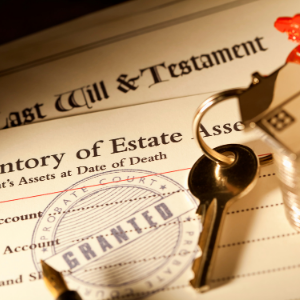
The Maryland probate process starts when someone files a petition with the probate court. That filing opens the case and lets the legal work begin. Usually, the person filing is the executor or personal representative named in the will. The probate court has jurisdiction over everything that follows, and every step must comply with Maryland probate rules. Right after the filing, the executor hands the original will to the court for validation. That step confirms the executor’s authority to run the estate.
Once the court accepts the petition and confirms the will, it issues papers called “Letters of Administration.” Those letters allow the executor to act on behalf of the estate, and the administration officially begins. Next, a full inventory of the estate’s assets. That means appraising real estate, personal belongings, and financial accounts. It’s careful work. Every asset is listed and assigned a fair market value, because that number sets the stage for paying debts and distributing property.
Maryland’s probate process also requires the executor to notify all creditors that the estate is in proceedings. Usually, that’s a notice in a local newspaper, giving creditors a short window to file claims. Any legitimate claim has to be reviewed and settled before the estate’s distribution. Paying down debt isn’t optional here. It keeps the estate in compliance with the law and ensures beneficiaries inherit assets free and clear.
All along, the executor manages estate affairs. That covers closing bank accounts, transferring property titles, and staying on top of the estate’s bills, including mortgage payments, taxes, and insurance. The idea is simple. Keep the estate intact until probate wraps up. Executors also answer to the probate court the entire time, filing reports and providing clear accounting that keep them in compliance with Maryland probate laws.
The distribution phase begins once the estate’s obligations are cleared and every asset has a value attached. Under court supervision, the executor distributes assets as the will directs. If there’s no will, Maryland intestacy statutes decide who gets what. People call probate complicated, and it can be, but it also provides legal closure and protects beneficiaries’ rights while distributing the deceased’s legacy as the law intends. Know the process, and you can handle your duties with confidence.
Steps to Sell a Probate House in Baltimore
Selling a probate house in Baltimore, MD, follows a defined path, and each step rewards careful planning. You start by preparing the property for the market. Legal footwork matters too, because the house usually stays in probate during the sale. A few legal hurdles have to be cleared before anyone finalizes the transaction. So let’s look at prepping a probate property for sale, then whether you can sell while probate is still open.
Preparation Before Listing the Property
When you sell a probate house in Baltimore, market discipline and estate law both steer the process. Job one is getting the property ready so buyers actually want it. A systematic inspection helps here. Walk the property, catalog the cosmetic and structural repairs, and fix what you can, because sharp repairs lift market value in a city where the market expects quality. Deep cleaning, decluttering, and neutral staging let a prospective owner picture their life there, which supports higher offers.
With the house itself squared away, the executor pulls together a clean, well-ordered stack of probate documentation. The will, the Letters of Administration, and any relevant court directives all prove the executor has the authority to sell. That transparency builds buyer confidence and cuts the contingencies that otherwise stall the process. The executor should also align the estate inventory with the formal appraisal so the property’s valuation appears conservative and reflects the current market. A grounded valuation supports your asking price and provides a solid floor in negotiations.
Solid prep also means knowing Baltimore’s residential market. An informed appraisal of current conditions, recent comparable sales, and neighborhood-level demand shapes both your pricing and your marketing. Hiring a brokerage professional specializing in probate sales brings a perspective you won’t find elsewhere. These agents help with valuation, run the marketing, and steer negotiations, all while keeping the sale inside Maryland’s procedural rules for probate transactions.
Talk to the beneficiaries too, and keep talking. Share the market data, the timeline, and your thinking on price with everyone who has a stake, because that keeps expectations aligned and heads off the disputes that drag a sale out for months. Executors should flag any court requirement that could shift the listing schedule, such as a requested valuation or a disclosure statement, and do so early. Court approval is coming for any binding sales contract, so the executor or their attorney should have the paperwork ready. That’s how you dodge bottlenecks.
Handle the market read and the family communication up front, and the representative builds a smooth run from listing to settlement. Probate sales draw extra scrutiny and carry their quirks. That doesn’t have to mean friction. Give people full information and quick answers, and things move. Done right, the probate sale becomes the fastest way to turn the property into liquidity and a clean, transparent transaction at the estate’s final and most visible stage.
Selling a probate house in Baltimore can feel overwhelming, but you don’t have to handle it alone. Local cash home buyers, like CR of Maryland I LLC, buy homes fast and help families navigate probate with quick, hassle-free sales. Maybe you need to sell your Baltimore house fast to cover estate debts. Maybe you’d rather take a straightforward cash offer and skip the long wait on the open market. Either way, CR of Maryland I LLC keeps the probate process low-stress.
Can a House Be Sold While in Probate?
In Maryland, Baltimore included, you can sell property while it’s still in probate, and often you have to. When the estate must satisfy debts or split assets the way the decedent wanted, a sale becomes the practical answer. It just has to follow the formal probate procedure to the letter.
The executor or appointed personal representative begins by petitioning the Orphans’ Court for permission to sell. That petition explains why the sale makes sense, provides essential details about the property, and outlines the key terms of the proposed sale. Only after the court gives its formal blessing can the estate start marketing the residence.
Once the probate court grants permission, the representative can list the property. Even then, the sale is subject to limits intended to protect the estate and its creditors. The court can order an independent appraisal to determine fair market value, preventing the estate from accepting an offer that’s too low.
Buyers have to be told up front that the sale is subject to court confirmation, which, unlike a standard sale, stretches out the timeline. So, honest communication is essential. It manages expectations and lowers the odds that the sale falls apart before closing.
Marketing a home inside a probate estate calls for two things at once. You highlight the property’s true market value and make the court-and-statute requirements easy to understand. Agents with real probate sales experience earn their keep. They apply local statutes and pick marketing tactics that keep the judge and creditors satisfied.
These pros build marketing plans that put the property in front of the right bidders, using both print and digital channels. They organize offer reviews and lay the groundwork with the supervising court in advance, since court-granted authority shields the accepted offer from later challenges.
Negotiations usually mean gathering extra qualifying documents and setting up the court’s review in advance. A confirmation hearing then locks in the accepted offer, justifies the price, and verifies that every beneficiary has signed off on the terms.
When all legal and court-ordered conditions are met, the title clears the probate estate and passes to the new owner, with the transfer recorded at the official closing. The executor must keep clean records and comply with the governing legal statute, as the court reviews and audits the file. Skip that, and a creditor or a later claim could put the executor on the hook.
A property heading into probate can look like a burden. A clear grasp of the procedure and good legal counsel change that. When a Baltimore executor adheres to the legal requirements, selling the probate property becomes smart estate administration. A prompt sale trims carrying costs, frees up cash, and gets the distribution to heirs moving while honoring the terms of the will. Navigate the probate path with care, and you uphold both the fiduciary’s duty and the deceased’s lasting intent.
Navigating the Legal Aspects of Probate Sales
Understanding the legal intricacies of probate sales is crucial for anyone selling a probate house in Maryland, and doubly so in Baltimore. This part is about working with the probate court and avoiding the legal traps that sink a transaction. Executor or beneficiary, it doesn’t matter which. Get a handle on these legal pieces, and the probate sale runs smoother, with the estate shielded from needless complications. Work the legal process well and know the common pitfalls, and you’ll move through a probate sale with confidence, right up to a clean distribution of assets.
Engaging with the Probate Court
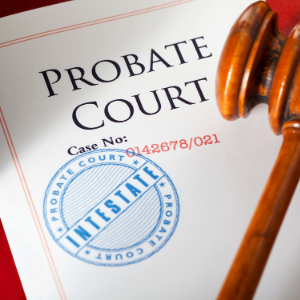
Participation in the probate court process sits at the center of any Maryland probate property sale. Nothing happens until the executor, or whoever’s been named as personal representative, files a petition with the probate court seeking leave to convey the property under the estate administration. The court oversees the entire probate to ensure it complies with both statute and common law.
That oversight means the judge first verifies the executor’s credentials by issuing Letters of Administration, which give the representative power to manage and ultimately sell estate assets. The rule is absolute. No sale, public or private, has any legal effect without that court sanction coming first.
The court’s involvement isn’t just red tape. It works as real legal protection. Every petition requires the executor to file the original will along with an accurate inventory of estate assets and independent appraisals estimating their market value.
They’re the factual foundation for every court decision. Working with the probate court goes fastest when the executor comes prepared, since sloppy paperwork invites objections that can stretch out the inventory stage.
From there, the administration proceeds to notify every likely heir and every creditor it can identify, announcing the court’s intentions through a notice in the local newspaper. That satisfies the public-notice coverage the statute demands.
The law sets firm deadlines for filing objections and claims, which could threaten the estate’s liquidity. Staying engaged is the smart play. It keeps small complications from becoming executor liability and shields the estate from disputes.
When beneficiaries clash over the terms of sale or how a particular asset is handled, the probate court settles the dispute. Executors must provide a clear reason for their decisions and answer questions from beneficiaries and anyone with a stake in the outcome.
The court’s role is to balance the competing interests of the deceased, the living beneficiaries, and the unpaid creditors. Stay in steady contact with the court, document everything carefully, and ensure executors meet their fiduciary duties, limit their liability, and get probate sales across the finish line.
Avoiding Common Legal Pitfalls
Working with the court is one-half of the job. The other half is avoiding common legal pitfalls, and that’s just as important to a probate sale. Most of these traps come from a misreading of the legal obligations or a procedural slip by the executor. The big one is skipping the proper legal route to court approval. Maryland law requires the executor to petition the court before selling any property, with legal documentation justifying the sale. Miss that step, and you’re looking at serious delays and possible legal challenges.
Another frequent trap is inadequate communication among beneficiaries. Heirs fall out over the terms of a sale or the distribution of proceeds, and it’s usually a misunderstanding at the root. The fix is transparency. Executors should keep everyone informed and on the same page about how assets will be handled. Written consent from all beneficiaries on the sale terms heads off arguments that could derail the whole thing. And when a dispute becomes serious, a mediator provides a neutral space for everyone to work it out.
Mishandling estate taxes or debts is another costly mistake. Executors have to calculate estate taxes correctly and settle creditor claims before they distribute any estate proceeds from the sale. That takes disciplined record-keeping and a good tax professional in your corner, or you risk underpaying or overpaying and inviting legal fallout. An accurate property appraisal anchors a fair market price and keeps the estate in compliance with both tax rules and the court.
Finally, don’t underrate specialized probate help. Professionals like real estate agents who know probate sales, or probate attorneys, are worth their weight when the legal and market questions pile up. Their experience sharpens every decision, from pricing to presenting it to the judge, and keeps expensive errors off the table.
Executors need to see the risk clearly. Take on a probate sale without proper support, and you expose the estate to trouble it didn’t need. Lean on comprehensive probate services and follow Maryland’s strict legal requirements, though, and executors clear these pitfalls, ending up with a smoother handoff and a better result for everyone.
Financial Considerations in Maryland Probate Sales
Selling a probate house in Baltimore, Maryland, brings a stack of financial questions that hit the estate directly. You need to understand the closing costs and the money side of selling an inherited probate property. Those two things heavily influence how profitable the probate sale turns out to be. Handle finances well, and executors can increase the estate’s value, smoothing the transition from inheritance to closing.
Understanding Closing Costs
Good estate administration in Maryland starts with understanding the closing fees on a probate sale. These fees land in the final stage of a real estate transfer, and people overlook them, even though they take a real bite out of the estate’s cash flow. Maryland law requires several payments at settlement, which vary depending on the property’s location and assessed value. The usual suspects are title insurance premiums, appraisal costs, attorney fees, and a few smaller charges. Each one is required for a real estate probate sale in Baltimore to meet legal and judicial standards.
Title insurance is the big one, usually the costliest piece of the closing fees. The policy confirms that the title is free of encumbrances that could burden the estate or the new owner, protecting both parties from future claims. So model that likely cost early, back when you’re first setting up the estate. There’s also the statutory appraisal fee, which pays for the valuation that the court and prospective bidders rely on. Maryland probate rules require a certified independent appraisal, and that expense falls straight on the estate.
Attorney fees in Baltimore probate sales tend to run high because the statute demands strict adherence to procedure. Lawyers read the statutory timelines, assemble court filings, and step in when disputes arise during the sale. That work reduces liability risk for personal representatives and clears the docket more quickly, which is why it earns a spot in the budget.
On top of all that, executors might pay recording charges at the registry or the circuit court where the sale documents get filed. Real estate brokerage commissions apply too if they bring in a licensed agent to move the transaction. Those extra charges do push total closing costs up. They’re smart money, though, because they keep the timeline tight and cut the legal challenges that threaten the probate settlement.
Sufficient pre-sale disclosure of these added expenses to bidders keeps things clear and helps the settlement run in an orderly way. Walk everyone through the size and scope of the closing costs, and the whole probate transaction runs more efficiently while the estate’s finances stay protected.
Financial Impact of Selling Inherited Property

In Maryland, choosing to probate and then sell inherited real estate carries significant financial consequences and requires planning to protect the estate’s value and beneficiaries. Whether liquidity forces the decision or it’s part of a bigger estate plan, the transaction moves the estate’s cash position and shapes how the distribution shakes out. Understand what’s coming, and a Baltimore fiduciary can make sound calls and set honest, realistic expectations across the probate process.
Any transfer of inherited real estate puts tax on the table. The one to watch is capital gains tax, which kicks in if the transfer price exceeds the fair market value as of the decedent’s date of death. Maryland residents have to work through both federal and state rules that can eat into the estate’s share. Engaging tax specialists to run the numbers and stay compliant protects the estate from a nasty surprise and keeps the beneficiaries’ shares from shrinking.
A careful, defensible valuation carries just as much financial weight. Maryland probate statutes require the fiduciary to get a current appraisal, one that stands up at the hearing and gives beneficiaries and bidders clear evidence to work with. A strong appraisal can widen the bidder pool and push the value up through competition, while an inflated one can stall the docket and force price cuts in a rising market. So to protect the estate’s value and the fiduciary’s good name, the appraiser’s number has to reflect real market evidence and the property’s specific flaws.
The money you net from selling inherited real estate swings with market activity and the closing date. Personal representatives have to weigh current market conditions against the estate’s need for liquidity. Sell into a soft market, and you probably leave money behind. Wait for a stronger stretch, and you might net more, but the heirs wait longer for their distribution. Drag your feet while watching the market, and the estate keeps eating carrying costs, property taxes, utilities, and upkeep the whole time.
Splitting up an estate’s physical assets can hit beneficiaries differently, depending on their finances and expectations. Squaring those differences takes deliberate disclosure, shared decisions, and steady conversation. Keep people informed and consistent, and you convey the likely financial and practical fallout of the transaction honestly, which reduces uncertainty and speeds up estate administration.
In Maryland probate sales, estates have to reckon with transfer taxes, the accuracy of the existing property assessment, market timing, and the mixed expectations of beneficiaries. Learn those moving parts and manage them actively, and the representative can fulfill their fiduciary duty while distributing the estate’s proceeds in a way that clearly helps everyone.
Practical Tips for Estate Sales in Baltimore County
Getting top value from estate sales in Baltimore County comes down to strategic planning and a feel for the market. Estate sellers juggle a lot to land a good probate transaction, from reading Baltimore’s particular real estate scene to picking the smartest way to run an estate transaction. That means tapping professional help and understanding what buyers want, all while keeping the legal requirements front and center. Use these tips, and you can lift the property’s value and land a profitable, hassle-free result.
Another route many families like is going straight to a local cash buyer. [company] understands how urgent and sensitive these probate situations are and offers heirs a fast, respectful way to move forward. If you’re hoping to sell your Catonsville house fast, CR of Maryland can put an offer on the table. The flexible closing timeline is built around your needs, sparing you the uncertainty of a traditional listing.
How to Optimize Estate Sales for Best Value

Careful planning, community ties, and the right specialists push Baltimore County probate sales toward their best value. Knowing the county’s housing market is the foundation. Pricing swings hard from one Baltimore County neighborhood to the next, so tracking trends and comparing recent home sales isn’t optional. Do that legwork, and you can set a price that’s competitive and fair. Agents who dig into the nearby subdivisions and work their networks often spot the anomalies and corrections that put you in a stronger spot.
How the property looks and what’s hiding under the surface drive the dollars. A steady routine of clearing out, cleaning up, and knocking out small repairs shifts how the estate property feels the moment someone walks in. Empty the daily clutter, and the space reads bigger, and bidders start seeing the value in the room, the flow, and the neighborhood. It’s worth pricing out the larger renovations too, and staging has quietly become an emotional lever in a buyer’s decision. A well-staged property can attract several offers.
Winning bidders overtake a polished approach that pairs looks with substance. Your marketing materials, the online listings, and the brochures need crisp, high-resolution photos and descriptions that say something. Professional images and notes on the architecture, history, or a standout feature tell a story the numbers can’t. Open houses let people feel the place in a way no virtual tour can, and that often turns a hesitant buyer into a serious one.
Offering flexible funding options widens the field. Cash buyers want a quick closing so that you can offer a simple, fast transfer as a genuine concession. In a crowded market, saying you’ll favor an all-cash offer sets you apart and frames the negotiation in practical terms. Spell out the probate details, too. That builds seller credibility, prevents post-offer disputes, boosts buyer confidence, and cuts offers that get pulled at the last minute.
Sharp negotiation is how you protect the transaction’s return, and seller-friendly conversation grows out of understanding what the market needs and using a well-structured approach. Back your asking price with solid analysis, like current sales comparables, market value, and a professional appraisal. Be open and upfront with the buyer about the property’s legal status and what kind of return they can expect. That kind of candor eases buyer hesitation, speeds the transaction, and firms up the price and the final value.
Tying the transaction to the community’s life can increase how bidders value it. Plenty of buyers respond to a seller’s roots in local charity, neighborhood events, and volunteer work. Spread word of the transaction through local leaders or alums networks, and you may turn up bidders already drawn to living there, which speeds up the match.
Doing well in the Baltimore County estate market takes careful planning, real market intelligence, and respectful relationships with buyers. Pull those levers, and the estate’s representatives can achieve a better financial result with a simple, transparent closing that serves both the estate and its heirs.
Selling a probate house in Baltimore, MD, comes with its share of complications, but understanding the probate process makes it easier to navigate. Whether you’re settling a loved one’s estate or serving as executor, think about bringing in a real estate professional who knows probate transactions inside out. Their insight is worth a lot, helping keep the sale smoother while boosting the estate’s value. Get familiar with Maryland’s specific laws and timelines, and you’ll work through the legal requirements more effectively and make choices that fit both your finances and where you are emotionally.
Whatever the situation, CR of Maryland I LLC keeps the process simple with fair cash offers, flexible timelines, and local know-how that help families in Baltimore and nearby Maryland communities move forward with confidence. Contact us at (443) 278-2743 today to get your offer!
Helpful Baltimore Blog Articles
- Selling Your House Without A Realtor In Baltimore, MD
- Selling An Inherited House In Baltimore, MD
- Navigating Home Sales During Divorce In Baltimore, MD
- Selling A House With Tenants In Baltimore, MD
- Tax Implications Of Selling Your Home In Baltimore, MD
- Selling A Baltimore, MD, Home With Title Issues
- Sell A Foreclosure House In Baltimore, MD
- Selling A Baltimore, MD Home Needing Repairs
- Selling a Probate House in Baltimore, MD
- Tips to Sell Your Baltimore, MD House Amid Mold Concerns
- How to Remove a Name from a Deed in Baltimore, MD
- How to Sell a Fire-Damaged House in Baltimore, MD
- Capital Gains Tax After Selling a House in Baltimore, MD