

Removing a name from a deed in Baltimore, MD, is often a turning point. Maybe ownership is changing hands. Maybe a court order requires it, or life just moved in a new direction. Whatever the reason, getting the legal process right keeps the property transition clean and keeps you on the right side of local rules. This step-by-step deed removal guide walks you through what you’ll actually need: the paperwork, the legal angles, and the specific filing requirements for Baltimore. Handling it yourself or leaning on an attorney, either way, you’ll find practical guidance here to make your deed adjustment go smoothly.
Key Highlights
- Understand the roles of quitclaim and warranty deeds in Maryland property transfers for effective legal compliance.
- A quitclaim deed facilitates quick ownership transfers without warranties, which is ideal for family arrangements but carries potential risks.
- Warranty deeds guarantee clear property titles and legal protection against liens, which are crucial for formal transactions.
- Legal removal of a name requires accurate documentation, an understanding of Baltimore’s filing requirements, and adherence to local laws.
- Consulting with legal professionals and Maryland court resources ensures smooth property transitions and compliance.
Understanding Deed Types in Maryland
Understanding the various deed types is essential before you enter into any property transaction in Maryland. Each deed serves a different purpose when real property changes hands, and each carries its own consequences. The deed you pick can shape property rights in a big way. A quitclaim deed moves ownership fast. A warranty deed builds in far more legal protection for the property title. If you’re working your way through Maryland’s land records, knowing these deeds apart is what keeps a deed transfer smooth and legally sound.
What is a Quitclaim Deed?
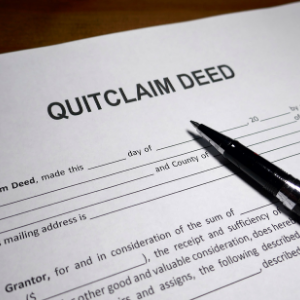
A quitclaim deed is a Maryland favorite for good reason. It’s a legal document that allows an owner to transfer their ownership interest in real property without warranties or guarantees. This kind of deed doesn’t certify that the grantor owns anything at all. It simply passes along whatever interest exists. That’s exactly why it’s popular for quick, uncomplicated transfers between family members, or for fixing a name on property records. Passing property between relatives or close friends rarely requires the legal ownership guarantees a warranty deed provides, so a quitclaim deed is appropriate.
Here’s the tradeoff. A quitclaim deed can expedite the transfer process and avoid much of the friction that comes with real property transfers. It won’t do much to protect the grantee, though. Any claims or liens that existed against the property before the deed transfer stay attached. A lien like that survives the conveyance and follows the title to the new owner. So yes, records change quickly and legally. Just go in with eyes open about the risk.
Filing one in Baltimore or anywhere else in Maryland means the related paperwork must be handled correctly for the transfer to hold up. Grantors and grantees should budget for the recordation tax and the other fees that come with recording the deed at your local land records office. An attorney is worth the call here. They’ll help you move through the legal weeds and protect your property rights.
Knowing these differences is key for homeowners in Baltimore and its surrounding cities, such as Towson, Dundalk, and Glen Burnie. And if paperwork and legal steps feel daunting, companies such as [company] can help you explore alternatives. Think selling your house fast for cash in Baltimore, or even Ellicott City, Columbia, or Catonsville, all without the stress of complicated deed transfers.
Role of Warranty Deeds in Maryland
Warranty deeds carry real weight in Maryland’s real estate transactions. They offer stronger legal protection and firmer assurances than a quitclaim ever will. A warranty deed guarantees that the grantor holds a clear title to the property, free of encumbrances such as liens or other claims, and has the legal right to transfer it. That guarantee is why warranty deeds show up in formal, high-value transactions, the kind where a new owner wants full legal ownership and freedom from encumbrances verified.
Big-money sales of real property in Maryland lean on warranty deeds, especially when new owners want to lock down full legal ownership rights. A warranty deed does two things. It transfers ownership and adds the grantor’s legal promise that the title is valid, giving the grantee legal recourse if a claim arises after the property transfer.
That level of assurance means someone has to review the property’s land records before the transaction closes, confirming there are no existing liens or issues. Skip that homework, and the warranty deed can’t do its legal job. The prep usually involves title searches to verify that the property title has no liens or other debt obligations, and often a lawyer reviews the trickier land records.
One more thing to plan for. Executing a warranty deed means following the process set out by Maryland law, including recording taxes and other fees required to officially record the deed. Buyers and sellers who understand the full scope of a warranty deed end up with transactions that are legally sound and far less risky.
Steps to Legally Remove a Name from a Deed
Removing a name from a property deed in Baltimore, MD, takes a handful of legal steps done in the right order, all in line with Maryland state laws. You’ll prepare and gather documentation for the transfer. You’ll sort out Baltimore’s specific filing requirements for that property transfer. Then you’ll work through the local legal system. Rush any of it, and you risk your property rights and open the door to disputes. Consulting with a legal professional, especially when a quitclaim deed or warranty deed is in play, gives you real guidance through a process that can get complicated fast.
Preparing the Necessary Documentation
Pulling a name off a property deed starts with the right legal instruments in hand. Picking the correct deed form is the first real legal decision. A quitclaim deed often fits straightforward transfers among relatives, or any spot where a simple, legal conveyance is all you need. For many families, the quitclaim deed is the whole answer. It conveys only the grantor’s actual interest, if any, and omits the warranty covenants. So checking the title beforehand isn’t optional. Just as important, you’ll want written, informed consent from all grantors and grantees about what the deed does, plus their acknowledgment that they may be giving up equity.
Beyond the deed itself, you’ll need to gather all supporting documents that back up the conveyance. That usually means the latest recorded deed, matching IDs for everyone signing, and, where applicable, preparing documents like spousal interest releases or custodial affidavits. Probate and title reliability both hinge on accuracy, so copies have to match the originals exactly. Property attorneys routinely recommend that counsel draft and review the proposed deed record, which helps head off future title contests. A good attorney can also flag easements, mineral reservations, or other situations that might make a boundary-line rewrite or a lateral survey unnecessary.
Don’t forget the cost side. Every transfer has to account for the recordation tax, which kicks in the moment the deed is recorded in Baltimore, Maryland. That tax isn’t a minor add-on. It legitimizes the legal exchange and keeps you clear of penalties or an incomplete transaction record. Understand and budget for these numbers early, and you can shorten the time it takes to remove the deed. Assembling every required instrument before you reach the recorder’s office cuts the odds of a procedural snag and keeps the conveyance of title moving.
Filing Requirements in Baltimore, MD
Getting a name removed from a Baltimore deed means meeting a fixed set of procedural, statutory, and documentary requirements first. That’s how the real property interest gets validly transferred and recorded. A clean legal transfer depends on it. Usually, the deed goes to the Baltimore City Circuit Court, Land Records Division, though the Baltimore County Land Records Office handles the same functions on its side of the line.
You start by filing a fully executed, accurate deed. For a name removal, it’s most often a quitclaim form, submitted with all the supporting papers, such as a tax certification and a property description cover sheet. Every submission must comply with the Maryland Real Property Article and the applicable Baltimore administrative codes. Miss that, and you’re looking at denial or a long delay.
Filing fees get paid at the time you submit. They move around based on how complex the matter is. The type of deed, the number of parcels, the indexing involved, and whether you need a certification of no lien or another supporting document all push the number up or down.
Check the exact fee schedule in the circuit or county guidelines, so nothing surprises you. Most practitioners suggest hiring a Maryland-licensed real estate attorney with recent, provable Baltimore experience, since that attorney keeps you compliant with the many drafting, notarization, and recordation details.
Then there’s the recordation tax obligation, a core piece of any Baltimore filing. This charge becomes due when the deed is recorded, and the rate tracks the value assigned by the local assessor. Compute it correctly. Get it wrong, and the deed’s acceptance is suddenly in question.
A miscalculation, a missed exemption, or a sloppy reporting practice can turn a routine filing into a drawn-out dispute, which defeats the whole point of removing a grantor’s name. Sticking closely to Baltimore’s administrative and procedural rules is what keeps the deed processing prompt and valid.
Once you file, the deed and all related exhibits are entered into the official property records. That creates an authoritative, publicly accessible account of the transfer. And that transparency is your safeguard against a later ownership challenge, because the recorded deed marks exactly when the title changed hands.
Property Ownership Changes After Divorce
Divorce can quickly reshape property ownership, especially real property in Maryland. Sorting out property rights between two spouses often means removing a name from the deed and changing how ownership reads on paper. You’ll want to understand how that property transfer works, particularly when a quitclaim deed is the tool used. The legal details carry a lot of weight, and getting the transfer right heads off disputes down the road. There’s real legal strategy involved, from the property rights themselves to the filing steps.
How Divorce Affects Property Rights

Divorce changes property entitlements in a serious way, real estate most of all. Under Maryland law, property acquired after the marriage generally belongs to both spouses, unless a premarital agreement says otherwise. When a marriage ends, that shared ownership usually forces one spouse’s name off the title so post-marriage ownership reads clearly.
A quitclaim deed is the go-to instrument for this. It allows one party to sign over any interest in the property to the other, without requiring title covenants. The conveyance is quick and sure. But careful drafting and precise recording in Maryland land records still matter, because sloppy work invites future disputes and may fall short of evidentiary and statutory requirements.
Reworking ownership of real property after a divorce is more than signing over a title. It calls for a close look at each spouse’s title interest and the tax fallout that can follow. Take over sole ownership and your taxable estate may grow, your overall tax liability can shift, and you could end up on the hook for deferred real estate taxes or jointly held liens. Because transfers between spouses count as gifts under the Internal Revenue Code, they can create tax exposure nobody saw coming.
That’s why redoing your personal and retirement cash-flow projections isn’t busywork. It’s essential, and it deserves advice from professionals who know both real estate law and the math of a post-divorce budget. The bigger question is what happens to the marital home. Keeping it usually means executing a quitclaim deed to remove the former spouse’s interest. Selling it instead ends the shared interest, and a brand-new deed gets drawn up to reassign the property.
Fail to document either path properly, and you invite post-divorce litigation, along with exposure to outside liens, messy collateral valuations, and administrative headaches. To protect your net worth, have counsel oversee the tax analysis, the valuations, and the execution so everything’s ready to record. That kind of supervision belongs at the front end, before documents get signed.
If you find yourself in this position, CR of Maryland I LLC can help. They buy houses for cash in Catonsville, Glen Burnie, and Columbia, making it easier for homeowners to get a clean break and move on without worrying about court filings or property disputes.
Legal Implications of Removing a Name
Removing someone’s name from a property deed carries real legal consequences and demands precision at every step to head off future disputes. Maryland property law spells out the process in detail, and you must comply with both state statutes and county ordinances. No shortcuts.
Most of the time, the tool is a quitclaim deed, executed and recorded, which is a clean renunciation of the grantor’s present and future interests. That single act realigns the title and hands the matching rights and liabilities to the grantee. For the new ownership to take effect, the deed must be filed with the local land records office. There, it becomes the official entry for the new title and shuts down later questions.
Skip a statutory formality, and you can leave hidden defects in the property’s chain of title, which drags the transaction into court for correction. Those defects tend to come from imprecise legal descriptions, signatures that weren’t properly acknowledged, or missing witnesses and notarial endorsements. Any one of them can make a deed inoperative. The old title survives, and the grantee’s position weakens.
A buyer or lender relying solely on the public record might later dispute how much interest was actually removed, which means expensive, drawn-out litigation. Removing an owner from the title can also trigger tax contingencies. Maryland law allows a reassessment of the property’s value due to an ownership change. So the remaining owner should check with the assessment division to pin down any tax difference that attaches, so the transaction doesn’t turn into a fiscal surprise.
Real estate law hides a lot of subtlety, so a qualified attorney earns their fee here. An attorney who understands Maryland property law ensures that all required documents are drafted, executed, and recorded correctly, protecting both your money and the underlying property title. Counsel also spells out the ripple effects, such as whether removing a name reassigns liability for an outstanding mortgage, changes homeowners’ insurance, or shifts other contractual obligations.
With that kind of careful review behind you, you can trust the updated ownership record. The one that follows deleting a former spouse’s interest holds up under scrutiny and blocks any attempt to revive old claims. When the deed change gets steady oversight, it wipes out the ownership confusion divorce created. What’s left is a clean, uncontested title.
Resources for Property Deed Changes in Maryland
Navigating property deed changes in Maryland means tapping the right resources to ensure legal compliance and a smooth transition. Whether you want to add a name to a deed or you’re removing a name from a deed in Baltimore City or somewhere else in Maryland, both legal know-how and government resources are worth the effort. This section covers where to find legal help and how to use Maryland court resources for a successful deed transfer. Lean on them, and you save time, sidestep complexity, and keep your real property transaction on track.
Where to Find Legal Assistance

Addressing property deed matters in Maryland almost always calls for an attorney, especially when you’re taking a party off a deed. An experienced one knows Maryland’s property laws inside out and can map the exact procedural and documentary steps for giving up an interest in real estate. Counsel in Baltimore City or any Maryland jurisdiction routinely drafts quitclaim deeds and explains the recordation and other transactional tax consequences associated with them.
Hiring legal counsel keeps you compliant with all statutory and regulatory obligations, blocks future claims, and strengthens the new owner’s title. Your attorney should know the Maryland land records statutes, the case law, and the administrative rules that govern deed transfers, so you get informed oversight from start to finish.
There are other places to turn, too. The Maryland State Bar Association’s directories, online and in print, can point you to members who specialize in this area. Plenty of attorneys offer a free first consultation, which lets you lay out the facts, walk through the expected steps, and get a picture of the quitclaim deed and any supporting documents you’ll need. That same meeting is a chance to hear how recordation tax works and what the tax collector’s office might charge, so the costs are clear before you sign and file.
Transfers of property deeds tangled up with family matters really benefit from legal help. A seasoned property attorney will draft the key instruments, releases, quitclaim deeds, and other certifications to speed up the transfer timeline. Grantors and grantees on a tight budget should look into legal aid organizations that charge little or nothing based on income. These clinics ease the financial load without cutting corners on procedure. Solid counsel keeps you squarely inside Maryland’s statutory requirements and away from procedural friction or a title challenge later.
Consulting Maryland Court Resources
The Maryland judicial system is a genuine ally when you’re changing a property deed, especially when a name is coming off. Knowing your way around the court’s resources can be the difference in meeting the statutory requirements that govern real property transactions. The Maryland Courts’ online portal provides helpful, practical guidance in the open, where anyone can review materials on preparing and recording various deed types, including quitclaim and warranty deeds.
Baltimore City’s circuit court for Baltimore City publishes its own set of clear procedures and standard templates. Those online form libraries and the accompanying directions are essential if you want to follow the local rules. The circuit court clerks and their online tools also field common questions, like how recordation taxes get computed and which supporting land documents you’ll need. Use these resources. Complete, accurate filings move title amendments through quickly and legally, while gaps or errors can stall you for weeks, or in the worst case, void the deed.
Beyond that, the comprehensive land records kept by the State of Maryland show a parcel’s title history over time, plus any outstanding liens, restrictions, or easements. Reading those files confirms the property’s current legal status, giving an owner a solid footing before any title dispute arises. That matters most when you’re planning a conveyance that changes or removes a named owner, since a single record-keeping slip or an unmet prior condition can void the whole modification.
Through all of it, guidance from your Maryland jurisdiction’s land records office or circuit court is well worth having. Filing formats, required affidavits, and notarial rules shift from one jurisdiction to the next, and those differences move both your timing and your legal certainty. Working with the right county offices lets you nail down the prerequisites, build an accurate filing package, and hit the statutory deadlines. Pair that with a clear read on local benchmarks, and your odds of a clean, enforceable deed revision go way up.
Understanding how to remove a name from a deed in Baltimore, MD, helps you navigate the legal maze with confidence. This step-by-step guide points to the procedures that matter and keeps accuracy and legal compliance front and center. Every deed situation is a little different, so a real estate attorney in Baltimore can offer insight to help prevent costly mistakes.
Follow these guidelines, and you’ll finish the process efficiently while protecting your property interests. Settling a joint ownership question or reworking a family arrangement, either way, informed steps earn you peace of mind and solid legal standing.
No matter your situation, CR of Maryland I LLC is ready to help. Whether you’re handling a deed change, facing a divorce, or simply ready to move on, they help Baltimore homeowners with fast, fair cash solutions that make selling your house simple and stress-free. Contact us at (443) 278-2743 today to learn more!
Helpful Baltimore Blog Articles
- Selling Your House Without A Realtor In Baltimore, MD
- Selling An Inherited House In Baltimore, MD
- Navigating Home Sales During Divorce In Baltimore, MD
- Selling A House With Tenants In Baltimore, MD
- Tax Implications Of Selling Your Home In Baltimore, MD
- Selling A Baltimore, MD, Home With Title Issues
- Sell A Foreclosure House In Baltimore, MD
- Selling A Baltimore, MD Home Needing Repairs
- Selling a Probate House in Baltimore, MD
- Tips to Sell Your Baltimore, MD House Amid Mold Concerns
- How to Remove a Name from a Deed in Baltimore, MD
- How to Sell a Fire-Damaged House in Baltimore, MD
- Capital Gains Tax After Selling a House in Baltimore, MD